







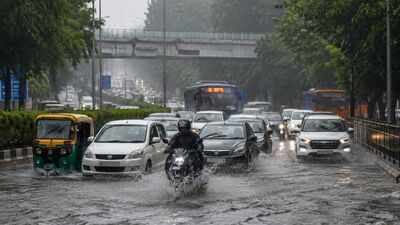
NEW DELHI: Rain, waterlogging and traffic disruption are once again dominating conversations in Delhi as another spell of showers hit the capital. The city is also watching the weather closely after a particularly wet start to August, while civic infrastructure and commuting problems remain under scrutiny. With more rain forecast, the impact on roads and daily life is likely to remain a major concern.Rain returns as Delhi faces another wet spellRain returned to several parts of Delhi on Monday and Tuesday, bringing temporary relief from the heat but reviving familiar problems of waterlogging and traffic snarls. Mayur Vihar recorded 37 mm of rainfall in the latest spell, with showers affecting movement in several parts of the capital. The India Meteorological Department has indicated that more rain is likely over the coming days.The latest spell comes after an unusually wet beginning to August. Safdarjung, Delhi’s base weather station, had recorded 127 mm of rainfall in the first seven days of the month, making August’s opening week notably wet. The rain has brought down temperatures, but the benefit has been accompanied by disruption on roads, particularly where drainage remains inadequate or heavy traffic coincides with intense showers.Traffic remains the biggest rain casualtyFor Delhi commuters, the problem with heavy rain often begins after the clouds clear. Waterlogging on arterial roads, slow-moving traffic and bottlenecks at major junctions can turn relatively short journeys into lengthy commutes. The latest rainfall has once again exposed the city’s dependence on roads that can become vulnerable to even short spells of intense rain.The situation is particularly difficult during peak hours, when thousands of commuters are already travelling towards central Delhi, commercial districts and neighbouring parts of the National Capital Region. With more showers expected, residents are watching traffic updates, waterlogging points and road conditions closely, while civic agencies face renewed pressure to keep vulnerable stretches passable.Why Delhi’s August rain mattersThe bigger story is not simply that Delhi has received rain, but how quickly rainfall translates into disruption. The capital has repeatedly struggled with drainage, overflowing roads and traffic congestion during intense monsoon spells. Heavy rainfall can also affect flights, public transport and office commutes, making weather a citywide issue rather than a purely meteorological one.For residents, therefore, the immediate concern is likely to remain practical: when will the next heavy spell arrive, which roads will be affected and whether waterlogging will clear quickly. With the forecast pointing to continued rain, Delhi’s monsoon story is increasingly becoming a test of how effectively the city’s infrastructure can absorb repeated spells of heavy precipitation.


