











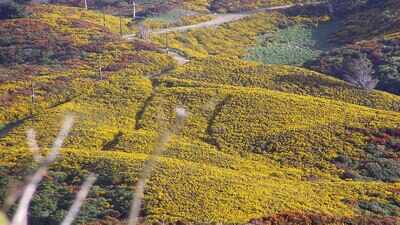
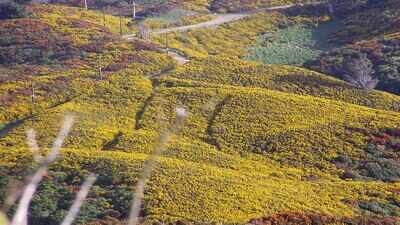
New Zealand’s rural landscapes are known for their rolling green hills and wide open pastures. For generations, farmers and landowners have worked hard to shape this countryside into a highly productive agricultural haven. However, beneath this picture-perfect pastoral setting, a historic decision is causing an ongoing botanical crisis. A plant introduced to help establish early farms has spread beyond its boundaries, blanketing hundreds of thousands of hectares and changing the natural environment.This environmental struggle began during European migration in the nineteenth century. When settlers arrived in New Zealand, they needed a cheap, reliable, and durable way to fence in livestock. Wood and wire were expensive and hard to come by in the young colony. To solve this problem, they turned to a familiar plant from home: European gorse. Known for its rapid growth, tough branches and sharp thorns, it seemed like a practical natural fencing solution. For a few decades, it worked effectively as an impenetrable living wall across the Canterbury Plains and beyond. Settlers did not realise that the temperate climate would allow the shrub to grow far more aggressively than it did in Europe.To understand exactly how this foreign introduction is impacting the landscape, a major scientific review titled A mini-review on the impact of common gorse in its introduced ranges. The review draws on decades of global data to examine how the plant behaves in new environments. The research explains that the shrub has now become one of the most widely recognised agricultural weeds in New Zealand. Because the plant thrives on a wide variety of soil types and produces highly resilient seeds, it has managed to take over roughly five per cent of the country’s developed and agricultural land, creating dense, monotypic stands that choke out native flora.The paper notes that common gorse was intentionally brought into many countries as an ornamental, fencing, erosion-control and fodder plant, then spread so widely that it now occurs in more than 50 countries. It also highlights its nitrogen-fixing ability, with the shrub reportedly adding about 200 kg ha−1 of nitrogen annually, which can alter soils and encourage other weeds.The spread of gorse across pastures and wild spacesThe main reason this European shrub has spread so successfully in New Zealand is its survival adaptations. The scientific review highlights that gorse is an aggressive competitor that completely alters the soil and surrounding habitat. One of its key traits is that it is a nitrogen-fixing plant. While adding nitrogen to the ground sounds like a positive change, the study points out that the massive amounts of nitrogen produced by these thickets actually change the baseline soil chemistry. This nutrient change can encourage other non-native plants while putting local, slow-growing species at a disadvantage.This ecological shift creates a hostile environment for native vegetation that existed before human settlement. The research notes that the dense, spiny thickets form an impenetrable physical barrier that blocks out sunlight from reaching the ground. When native plants such as mānuka and kānuka scrub try to establish themselves, they can be shaded out by the weed. Furthermore, because the plant drops a large amount of dry matter and contains flammable oils, established stands present a fire hazard during hot summer months, threatening nearby forests and rural properties.

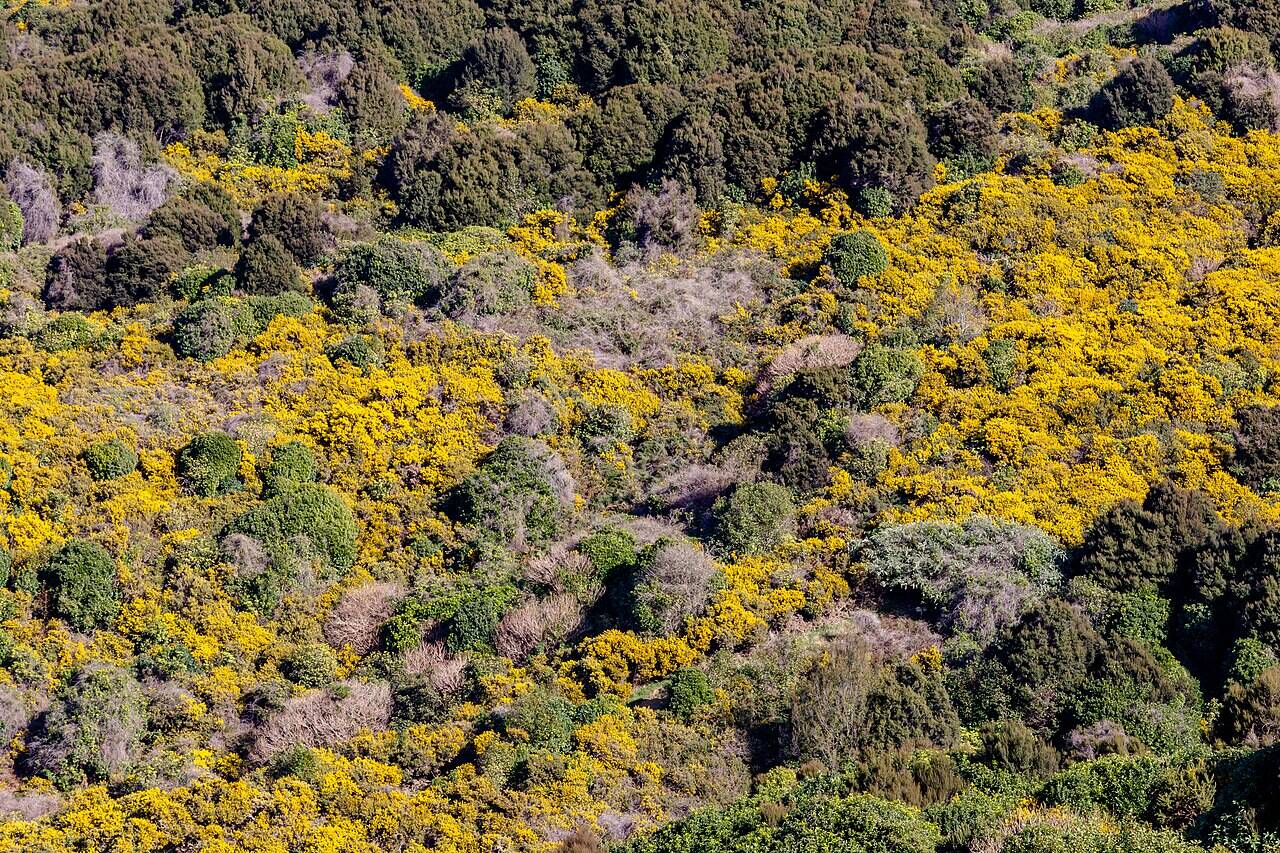
Its nitrogen-fixing ability alters soil chemistry, encouraging other non-native species to grow. Dense gorse thickets block sunlight and present a significant fire hazard to surrounding areas. Image Credits: Wikimedia Commons
A complex battle to protect the hillsidesManaging the long-term effects of this farming choice remains a challenge for land managers and conservationists. Traditional methods such as cutting or bulldozing are expensive and can make the problem worse. The study notes that the shrub creates massive, long-lived underground seed banks where thousands of seeds per square metre remain in the soil. When heavy machinery disturbs the soil or a fire sweeps through an area, it can create open conditions that trigger dormant seeds to germinate, leading to thicker regrowth.To manage the problem on hill-country farms and reserves, scientists have turned to biological controls and the plant’s natural lifecycle. Since the early twentieth century, multiple insect species have been introduced to target the shrub’s seeds and foliage, though their success as a single control method remains limited. Conservationists have found that if a patch of the weed is left undisturbed next to a healthy native forest, local trees can eventually grow through the thorny branches. Because the invasive shrub is highly intolerant of deep shade, the emerging native canopy will slowly cut off its light and naturally replace it over several decades. Until that transition happens, managing this historic living fence remains a long-term ecological challenge for land managers across the country.