












(RNS) — When Bill Gothard, the disgraced architect of the Institute in Basic Life Principles, first fell into a coma after suffering a heart attack in late June, Chad Harris didn’t know whether to feel relief or anger.
“A lot of us are really happy that Gothard can no longer harm other people,” said Harris, who was raised on IBLP’s homeschool curriculum. “But also, in our view, Gothard kind of got away with it … he never really had to endure any significant financial loss or accountability.”
Those conflicting sentiments were echoed in interviews with several women who have reported sexual abuse allegations against Gothard and by people like Harris who said they have been harmed by his teachings. As of July 11, the 91-year-old ministry leader was still unconscious, according to his official Facebook page.
Many survivors have been working for over a decade to hold Gothard and IBLP accountable for what they allege was abuse.

In 2014, Gothard resigned from IBLP in the wake of abuse allegations from more than 30 women. Two years later, 10 women filed a lawsuit against Gothard and IBLP, citing allegations of harassment, sexual abuse and cover-up. In 2018, the plaintiffs voluntarily dismissed the case — not because they recanted, they said, but because the costs outweighed the benefits of proceeding. Gothard’s attempts to obtain sanctions against the plaintiffs failed.
For some who have alleged abuse, the statute of limitations prevented them from seeking accountability in the courts. Gothard has denied sexual abuse allegations against him and never been convicted of any crimes. Up until his recent illness, he continued his ministry under the auspices of Embassy University — a non-accredited education venture focused on daily Scripture meditation — and, under that name, sued IBLP in 2019 for control of ministry properties.
Meanwhile, IBLP, which has over $54 million in total assets, has a diminished footprint but continues to operate a prison ministry, host family conferences at its Texas headquarters and promote discipleship resources through its offshoot initiatives Home Discipleship Network and Journey to the Heart.
Gothard’s teachings on patriarchal authority reached millions and impacted the wider evangelical culture, especially through the hit TLC show “19 Kids and Counting.” In recent years, IBLP critics have pushed for accountability through documentary projects — including Prime Video’s “Shiny Happy People” — and a Texas lawsuit that claims Gothard and IBLP created a culture where sexual abuse could thrive.
“IBLP teachings on patriarchal authority and the corresponding duty of loyalty owed by children is intended to create and has created ideal victims for sexual assault,” plaintiffs argue in the lawsuit.
While IBLP did not respond to a request for comment, a lawyer representing Gothard in the Texas litigation told RNS that claims that Gothard’s teachings contributed to sexual abuse “are based on an unreasonable misapplication of the content of the materials.”
“Gothard and IBLP knew nothing of the sexual abuse until they were served with citation and the petition,” the lawyer said, referring to the new allegations.
As they reckon with Gothard’s legacy, survivors say their efforts to seek justice and healing won’t be deterred.
The abuse allegations
In its heyday in the 1970s-1990s, Gothard’s IBLP framed itself as raising up high-caliber Christians to transform a sinful culture. Through curriculums and trainings — including the Basic Seminar, reportedly taken by over 2.5 million people — Gothard promoted a rigid fundamentalism emphasizing extreme modesty, strict gender roles and hierarchical authority.
“He offers clarity, black-and-white answers to all of life’s questions, and he offers the tantalizing promise that if you follow his directions, God will bless you and solve your problems,” explained Calvin University historian Kristin Kobes Du Mez in a phone interview.
God was at the pinnacle of the hierarchy Gothard prescribed, followed by pastors, then husbands, wives and children. Unquestioned obedience was expected.
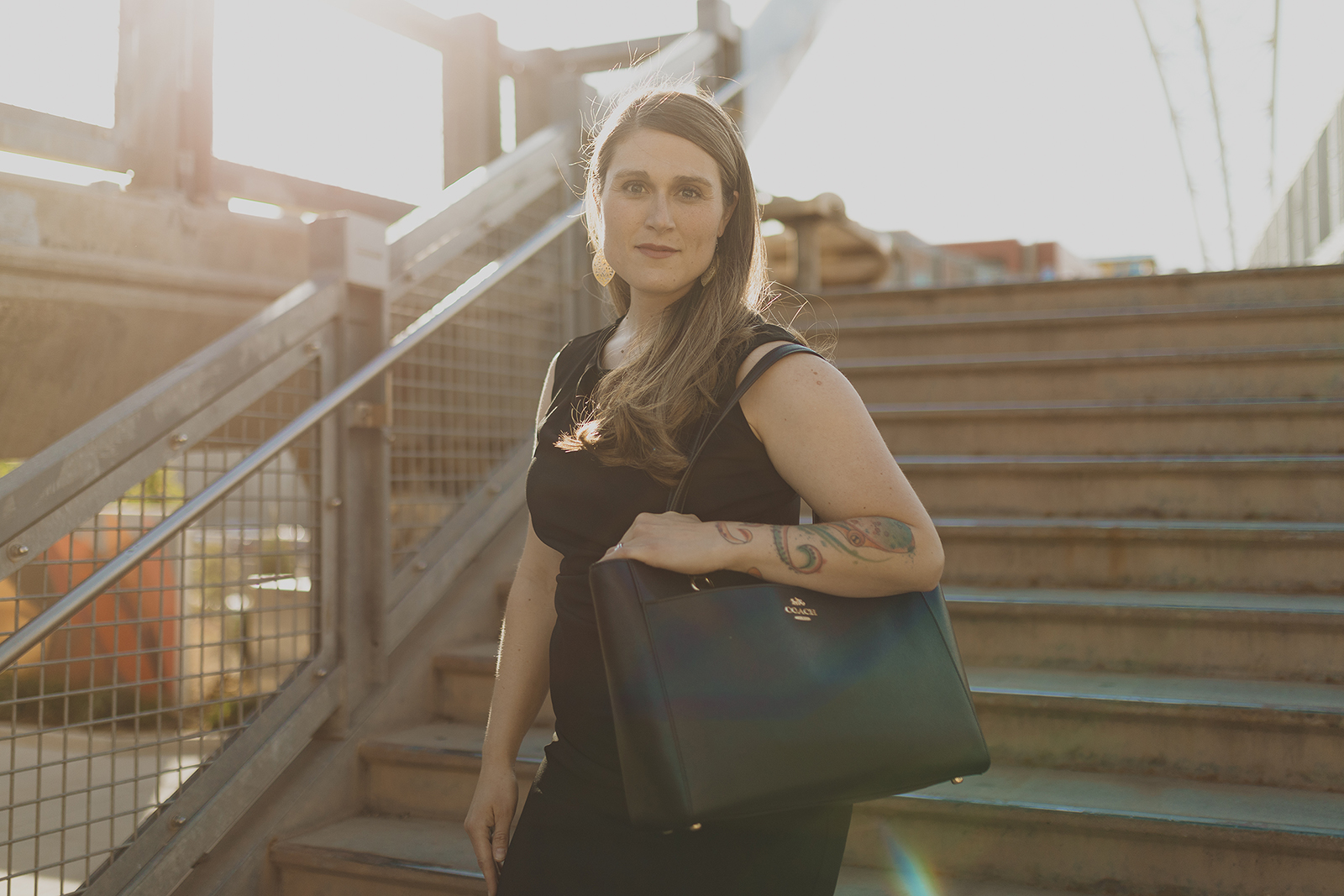

“In my perspective, as a child, I had this idea and concept that Gothard was God,” Jessa Crisp, a plaintiff in the 2016 sexual abuse lawsuit, told RNS. She said she was introduced to Gothard’s teachings around age 4 through the IBLP homeschool curriculum.
In lawsuits, on whistleblower sites and in interviews, survivors described a pattern: At IBLP events, Gothard would single out teen girls and offer them positions at IBLP headquarters in Hinsdale, Illinois. The women described a process of grooming. Four women told RNS Gothard routinely invited them to pray with him alone in his office, and during prayer, touched them inappropriately. Several also recalled Gothard rubbing their legs with his foot during van rides and meals.


“He would go to Excel (IBLP’s young women’s training program), and he would come back with a girl,” said Lindsey Williams, who publicly accused Bill Gothard of abuse in the “Shiny Happy People” docuseries. “I just called us the broken birds. He knew how to find the broken birds.”
Williams said she was recruited by Gothard at 18 at a conference after being introduced to IBLP through homeschooling. In interviews, survivors described being chosen to come to headquarters as an honor — and sometimes as an escape from difficult homes — and said some staff referred to them as “Gothard’s girls.” Allegations against Gothard range from grooming to molestation and rape.
“I saw how those who had more abuse and trauma in their background, he had more liberty to go further with,” said Rachel Frost, one of the original sexual abuse plaintiffs who was handpicked by Gothard to come to headquarters at age 15. “They didn’t have a safe home that they could go back to.”
In February 2014, after abuse allegations became public, IBLP placed Gothard on administrative leave and accepted his resignation the following month. Gothard later issued a statement acknowledging some failures but denying sexual misconduct.
“My actions of holding of hands, hugs, and touching of feet or hair with young ladies crossed the boundaries of discretion and were wrong,” he wrote. “I have never kissed a girl nor have I touched a girl immorally or with sexual intent.”
That summer, IBLP said Gothard acted “in an inappropriate manner,” but that outside legal counsel found no evidence of criminal behavior. Gothard also denied the sexual abuse allegations in the 2016 lawsuit. Survivors say Gothard and IBLP never apologized or accepted responsibility for abuse.

The culture
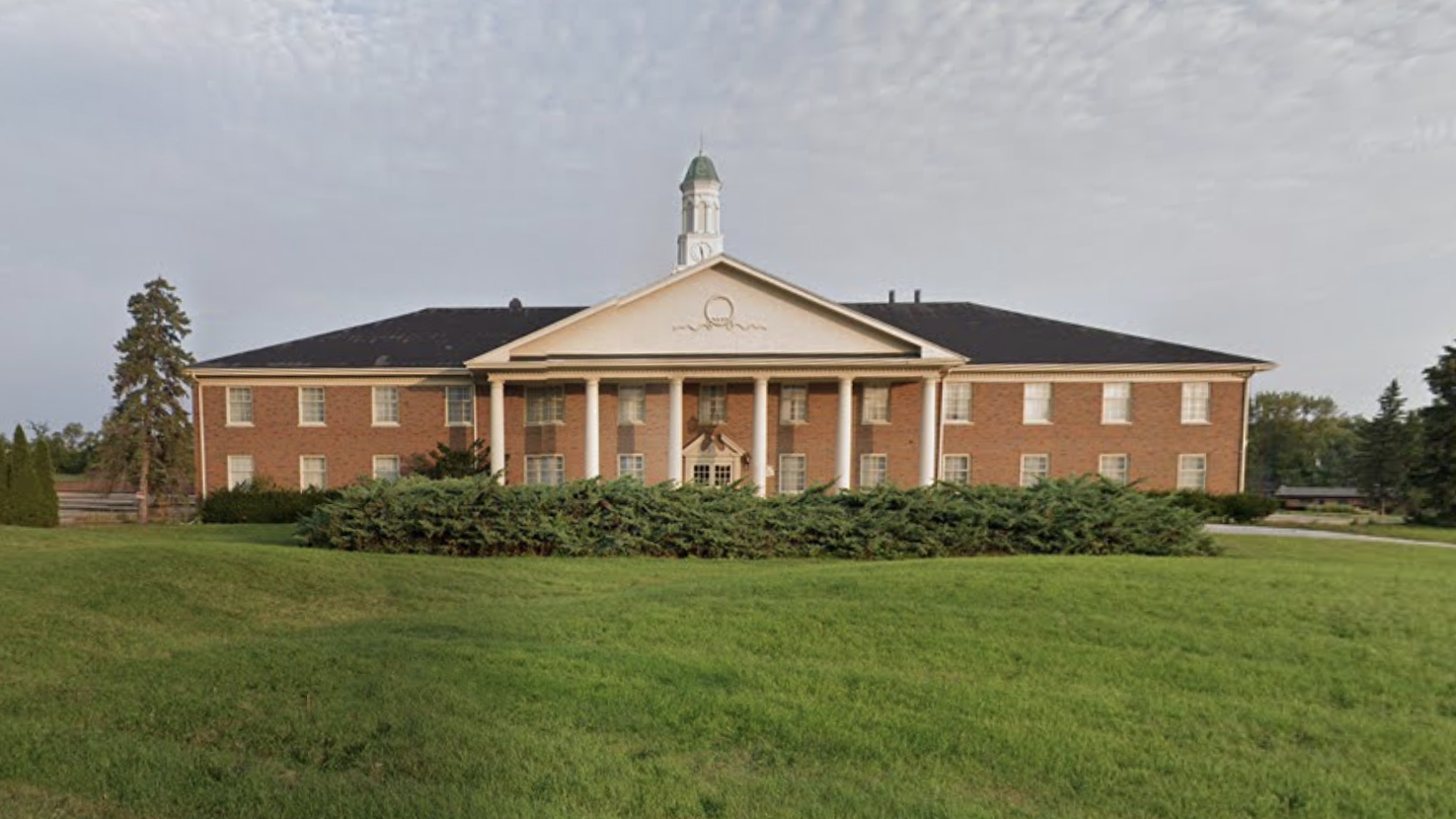
Survivors and experts said Gothard’s teachings — framed as God-ordained — created a system where victims were blamed for abuse.
“Even thinking thoughts that questioned the authority of somebody whom God had placed above you in this chain of command was sin,” said Du Mez. “Anything bad that happened to you was a clear sign somehow you had failed to fully submit yourself to God’s authority structures.”
If their clothing revealed too much skin, IBLP’s homeschool curriculum taught, they were guilty of setting “eye traps” for onlookers. One booklet used in the curriculum instructed women who are attacked to cry out to God for help. “The victim who fails to do this is equally guilty with the attacker,” the booklet said.
IBLP counseling seminar handouts on sexual abuse taught participants that God might “let it (abuse) happen” due to “immodest dress” or being with “evil friends.” Handouts also taught that God can use sexual abuse to make victims “mighty in spirit.”


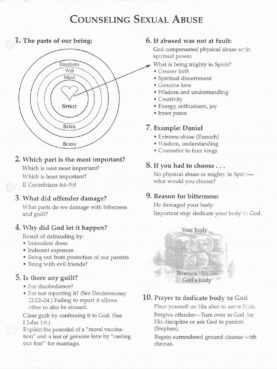

“If your body is taken advantage of, well, God probably allowed that to happen, so that your soul and your spirit could become closer to him,” said Williams, who said she encountered these teachings in IBLP trainings.
Survivors said IBLP’s culture of fear-based loyalty created barriers to reporting abuse. Frost described a “cutthroat culture” where idolization of Gothard and fear of being shamed enforced silence. At headquarters, she said, adult leaders should have intervened when they witnessed Gothard’s behaviors toward teen girls, but didn’t.
“Educated adults who should have been the voice for children in so many of these environments were not, and that’s really hard to come to grips with,” she said.
The lawsuit
In 2023 and 2024, a new group filed lawsuits against Gothard and IBLP in Texas. One lawsuit involves two sisters raised in an IBLP environment who reported being sexually abused by their father. The second involves allegations from another woman who said she was sexually abused and trafficked, and that when, at age 14, she reported these crimes to Gothard, he failed to report the crimes and “rebuked” her for being complicit in “sin.”
The lawsuits argue that IBLP and Gothard were negligent and created conditions that “fostered the sexual abuse of girls and young women” and concealed that abuse from police.
The lawyer representing Gothard told RNS the IBLP materials plaintiffs say contributed to the abuse “were received by over 2 million people, including more than 600 pastors,” and that to his knowledge, “the alleged sexual abuse in the Texas suit is the only alleged sexual abuse resulting from a misapplication of the materials.”
In June 2025, the Texas Supreme Court denied the defendants’ petition to dismiss the lawsuit. Several survivors who are not named in the lawsuit told RNS they are aiding the case informally.
“I think it’s one of the most important things I can be doing at the moment,” said Williams.
The case is currently in the discovery phase. Attorney Wes Holmes, one of the lawyers representing the plaintiffs, said in July there’s not yet a trial date and estimated the discovery process could take another nine months to a year.
Justice and healing
As they await the trial, many survivors are processing Gothard’s illness and considering how accountability can still be achieved.
“When I heard that he had this heart attack, I just started crying, because yet again … they get to do all this evil, and then they get to leave, and we don’t get justice,” said Williams.


Frost said she has vacillated between relief that Gothard can’t harm others in his current state to grief about the millions of people impacted by his teachings. She and others said they hope to bring attention to the fact that IBLP’s ministry and impact live on.
“Gothard’s ideas have permeated evangelical churches,” said Wende Benner, a former IBLP adherent and advocate for homeschoolers and abuse survivors, pointing to Gothard’s teachings on rigid discipline, immediate obedience, patriarchal authority and fear of mainstream culture.
Benner said these teachings have also led to estrangement and multi-generational trauma in many former IBLP families.
“I could sum up in one phrase what he’s leaving behind,” said Benner of Gothard’s legacy. “Broken families.”
Despite that legacy, Benner and other former IBLP adherents have created chosen family together. Even as they pursue justice through advocacy, they’ve also found healing through therapy, support systems and by overcoming the limits they say the IBLP world placed on them.
“The best way that I overcame, I think, was going to college for the first time at age 43, because that was something I was told was not my place as a woman,” said Frost, who completed her master’s degree and, in her current role, conducts trainings on psychological safety.
Williams told RNS that while healing is nonlinear, her life has been changed through EMDR therapy. She’s also focusing on her career as a hair stylist.
“The programming of the past tells me I need to defer to everyone else and yield to my own desires,” she wrote in a message to RNS. “Not anymore! I am allowed to come first, curating what brings me joy and fulfills me.”
Crisp is now a licensed professional counselor who focuses on complex trauma. A few months ago, she earned a Ph.D. in counselor education and supervision.
“No matter what he did to manipulate me into silence, that’s no longer working,” said Crisp, referring to Gothard. “So maybe that’s what justice is. Maybe justice is me finding my voice.”