












(RNS) — Every week, Bill Guelker, 78, travels 30 miles each way to attend an older Latin Mass celebrated in the woods by a retired priest.
Before “Traditionis custodes,” the 2021 guidance from Pope Francis that restricted the older liturgy, Guelker was attending Little Flower parish in St. Louis, Missouri, but then that Mass was canceled, he said.
For Guelker, staying put was not an option after Little Flower switched to the more contemporary English-language liturgy, approved in the wake of the 1960s Second Vatican Council, which aimed to modernize the church.
“I accept that it’s a valid Mass, but it’s a pathetic Mass,” said Guelker, who said he attends the older Latin Mass not because of nostalgia, but because the text is “much better and much more helpful in understanding the sacraments.”
Guelker is one of over a million U.S. Catholics who attend the older Latin Mass every week, according to a 2025 Pew Research Center survey that found 2% of U.S. Catholics attend the liturgy, sometimes known as the traditional Latin Mass, weekly.
Catholics like Guelker surmount considerable obstacles and disapproval from the Catholic hierarchy to attend the older Latin Mass, often inspired by their devotion to tradition. The older Latin Mass has a different structure and different text for some prayers. It is celebrated in Latin with the priest usually facing the altar.
Francis directed bishops to personally oversee and restrict the older liturgy to a select few churches largely because he was concerned that attendees were rejecting the modernizing reforms of Vatican II, which included the Mass said in the local vernacular languages and a declaration that all people deserve religious liberty from coercion rather than pushes to follow Catholicism. With a new pope and a recent schism by a traditionalist group, some Catholics had been hoping there might be an opening for the older Latin Mass to expand.
But in an interview released Wednesday (July 29), after several weeks of some U.S. voices calling for greater access to the older Latin liturgy to turn the church back toward unity, the cardinal who leads the Vatican’s liturgy office said that Pope Leo XIV would not be expanding access to the older Latin Mass.
Cardinal Arthur Roche, prefect of the Dicastery for Divine Worship and the Discipline of the Sacraments, told The Tablet, “No, Pope Leo is not going to change Traditionis Custodes, and he’s not going back to Summorum Pontificum,” referring to Pope Benedict XVI’s 2007 teaching, which had expanded access to the older Latin Mass.
In the previous weeks, allies of the older Latin Mass community had called for expanded access in the wake of the recent schism brought on by the ordination of four bishops without papal approval by the ultra-traditionalist Society of St. Pius X, or SSPX. The Vatican announced July 2 that the bishops, priests and all lay Catholics who “adhere formally” to the group are excommunicated.


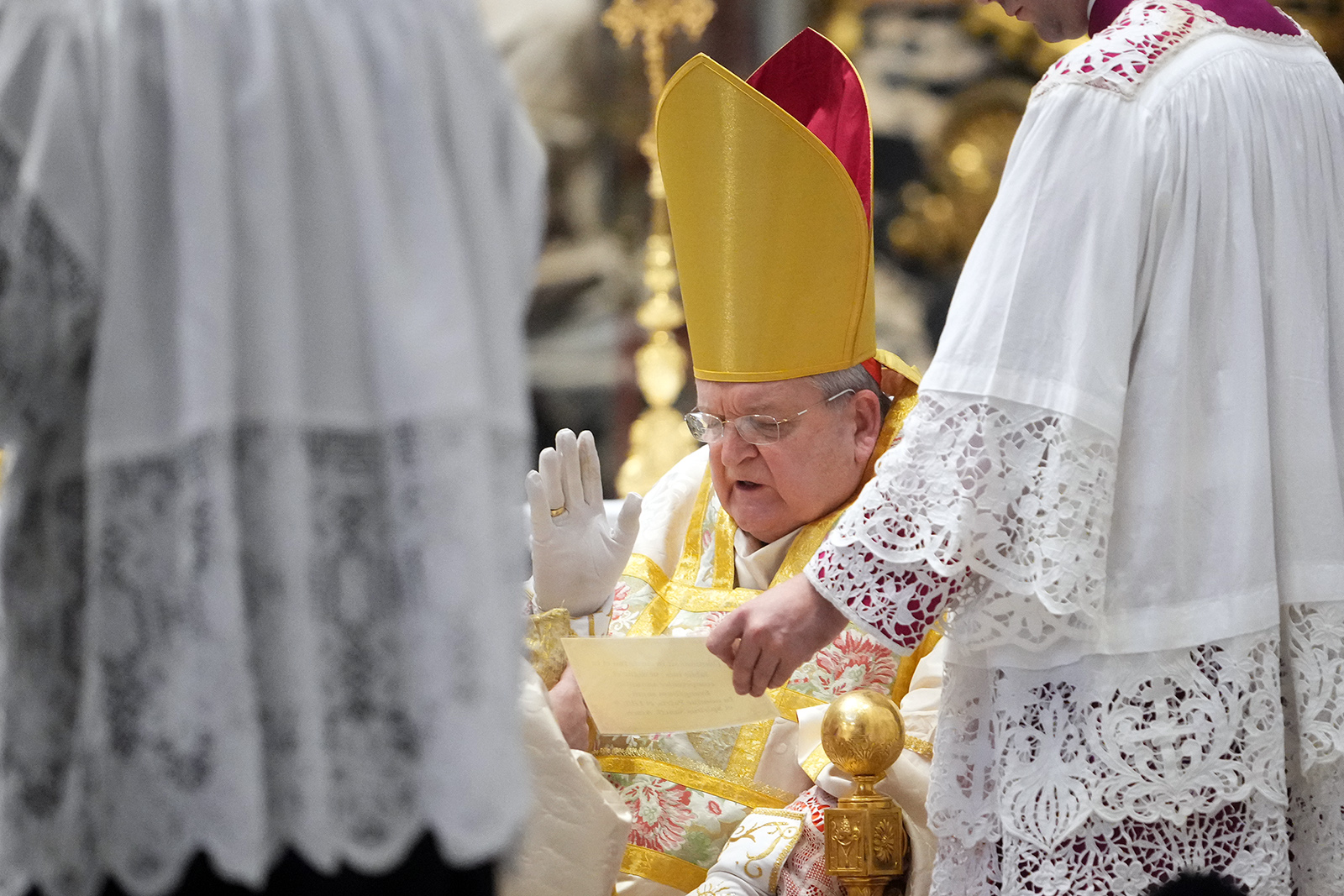
On a podcast released Tuesday (July 28), Portland, Oregon, Archbishop Alexander Sample said he had warned in feedback to the Vatican before the 2021 restrictions: “If you want to see division, put more restrictions on this Mass within the church.”
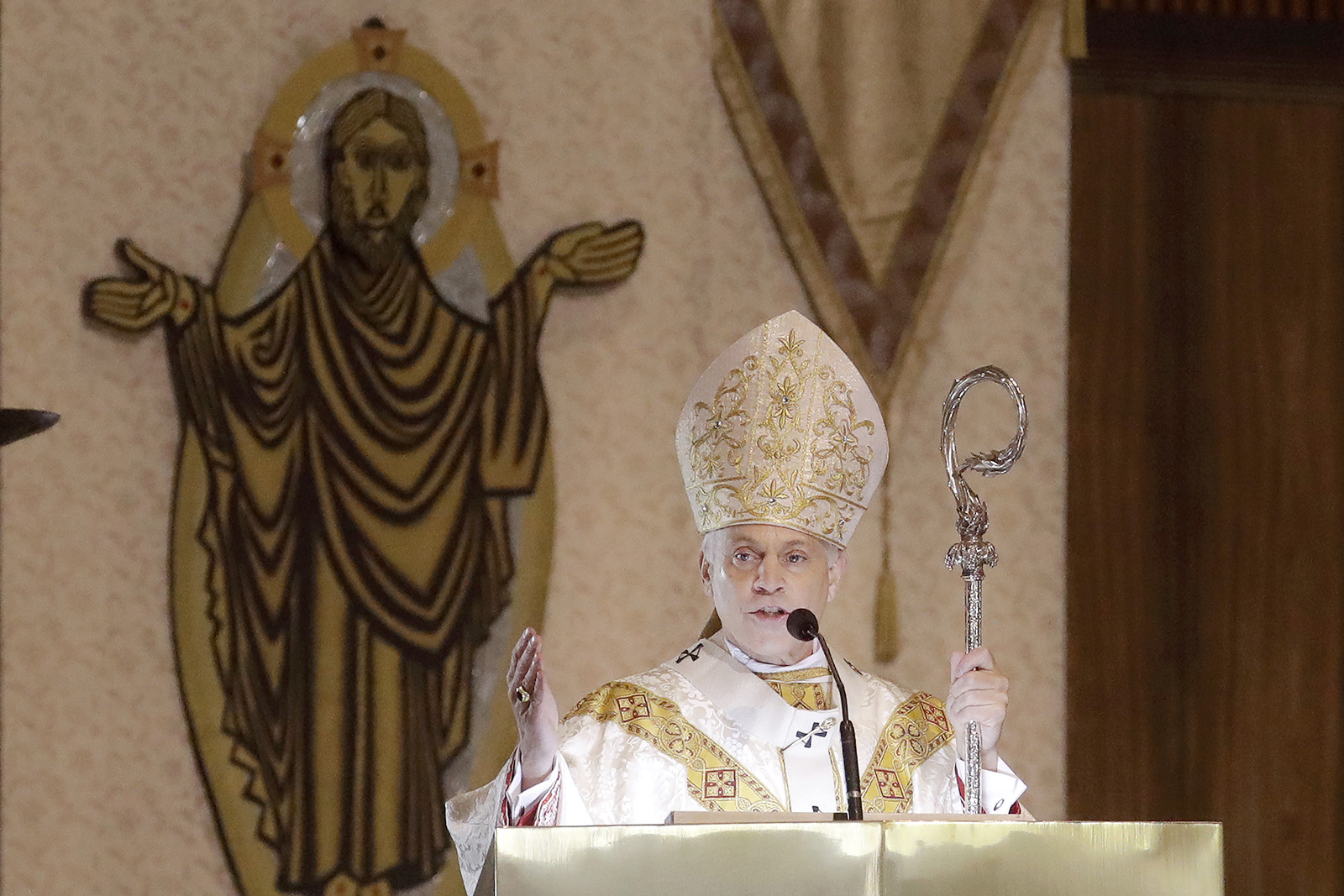
San Francisco Archbishop Salvatore Cordileone, who has long advocated for reinvigorating traditions that he believes will make liturgy more reverent and beautiful, wrote on X on July 10 that “easier access to the Traditional form of the Mass” and “sincere and honest dialogue” would help address a “growing lack of trust” that was manifest in the SSPX ordinations and, ultimately, help the faithful find “spiritual nourishment” that is in communion with Rome.
Still, many U.S. bishops are not jumping to implement Cordileone’s proposal. Many bishops who have SSPX chapels within their diocesan boundaries recently issued letters warning the faithful not to risk excommunication by participating in SSPX’s “illicit” sacraments. The letters also assured them they are welcome within Catholic churches in communion with Rome, but only some bishops pointed SSPX attendees toward older Latin Masses in their dioceses.
One notable exception was U.S. bishops’ conference President Archbishop Paul Coakley of Oklahoma City, who is often considered, like Sample and Cordileone, to be in the relatively more conservative wing of the conference.
But many bishops have spent the past five years restricting the older Latin Mass in their dioceses, following the “Traditionis custodes” guidance from Francis.
Charlotte, North Carolina, Bishop Michael Martin alluded to those concerns in his own letter. It included a frequently asked questions section that asserted that Catholics must accept Vatican II and the Mass that came after it, while also assuring former SSPX attendees they would not be “judged or treated harshly” as they seek communion with Rome. Martin faced blowback last year for restricting the older Latin Mass from four parishes to just one.
SSPX, which says there are approximately 25,000 lay people attending its chapels in the U.S., represents just a fraction of the Catholics in the U.S. who attend the older Latin Mass. In the Pew survey, 13% of U.S. Catholics said they have attended the pre-Vatican II liturgy at least once in the past five years.
Guelker, who now runs a website dedicated to resources for the liturgy called extraordinaryform.org, grew up before the Second Vatican Council attending the older Latin Mass — up to twice a day in grade school. But when the new Mass was introduced, sometimes called the Novus Ordo, he never adjusted. “I tried for two years to come to terms with the Novus Ordo, but I just found myself coming home angry, so I stopped going to Mass and confession for about 15 years,” he said.
He now understands that period before he found the older Latin Mass again in 1985 through a St. John Henry Newman quote warning against changing liturgy because, for many people, “their faith will not bear transplanting.” Guelker said, “That is exactly what happened to me.”
These days, many attendees of the older Latin Mass don’t carry the tradition from childhood. Max Bonici, a 41-year-old lawyer in the Diocese of Arlington, Virginia, was inspired while he was in college by then-Pope Benedict to become dedicated to the older Latin Mass.
Benedict’s 2007 teaching in “Summorum Pontificum” helped Bonici to push through what was “difficult” about the older Latin Mass and “feel that connection with the ages.”

“It gave me a framework to deepen my prayer life, my Bible reading. I started living the liturgical life naturally by going to the traditional Latin Mass,” said Bonici, who had previously attended the post-Vatican II liturgy in Latin.
Bonici goes to his local parish in the Diocese of Arlington, where parishioners can — and do — attend both the pre-Vatican II and post-Vatican II Mass. He prefers the older Latin Mass but will attend the newer liturgy, which he said is celebrated “reverently,” if it makes the most sense for his schedule.
“We have a great unity and peace and friendship and charity in our parish among all the different types of Masses. It’s the same altar, the same Eucharist, the same priest,” said Bonici. “I think that’s exactly what Pope Benedict was going for.”
Still he thinks “Traditionis custodes” is “a grave error.” Bonici wondered that maybe his story would be different if he had been “kicked out” out of his parish after the restrictions were passed.
“I hope the people who do things very differently than me,” said Bonici, referring to Catholics who prefer more contemporary styles of worship, “I hope that they are never treated as poorly as the people who want the traditional Latin Mass were treated.”
Bonici’s bishop, Michael Burbidge, encouraged people “attached” to the SSPX to attend the older Latin Mass at any of the eight locations where it is offered in the diocese.
While he said he wasn’t familiar with SSPX’s “internal issues,” Bonici said Cordileone had “good insights.” He said, “The bishops lose credibility if they’re seen as stopping people from going to Mass, stopping people from praying.”
Guelker agreed that Cordileone was “absolutely correct.” He elaborated that he thought for the average lay faithful, the theology behind Vatican II is not the crux of the issue.
“Most of the people going to the Latin Mass today don’t really know or care what Vatican II says,” said Guelker. “It’s not a motivator for them.”
Massimo Introvigne, a sociologist who interviewed the SSPX founder, told Catholic News Service that the founder, Archbishop Marcel Lefebvre, had told him that, even if the pre-Vatican II liturgy had been restored, his core concerns centered on Vatican II’s teaching on religious liberty and the Catholic Church’s move to cooperate with other religions.
“I believe a key point here is they want the pope to agree with them that the other religions are ‘the work of the devil,’” Introvigne told Catholic News Service, and that the public activity of non-Catholic believers “should be prohibited by the state.”
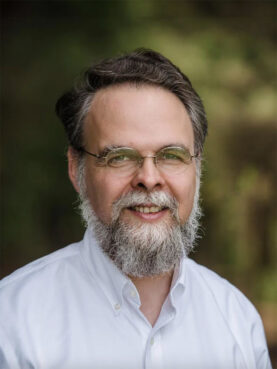

Peter Kwasniewski, a former leader at Wyoming Catholic College, where he taught theology and music, told RNS that, while he thought expanded access to the older Latin Mass would help satisfy hunger for “more richly reverent liturgy,” that would not be enough to draw SSPX attendees back to communion with Rome.
“We must remember that those who attend the SSPX are looking for an entirely traditional parish life — all the sacraments, not just the Mass, plus orthodox preaching and catechism,” said Kwasniewski, who now writes a column called “Tradition & Sanity.” He continued in an email to RNS, “It seems to me that dioceses would really need to provide all that in order to meet the legitimate needs of tradition-hungry souls.”
He called for Leo to revoke “Traditionis custodes” and for bishops to invite traditionalist groups into their dioceses. “The fear of and skepticism toward tradition must end. This is not a Catholic attitude or mentality, and its perdurance only harms the Church’s mission,” said Kwasniewski.
Whether Leo will hold to Roche’s words remains to be seen, but some Catholics did see a signal in his July 25 appointment of Cordileone to the Vatican’s highest court, alongside other canon lawyers who have expressed openness to traditionalists. But Francis, too, appointed traditionalist critics to the court, while maintaining the restrictions that have weighed on attendees of the older Latin Mass.
Like other attendees of the older Latin Mass, Kwasniewski argued that the liturgy creates unity and that attending had been personally “transformative.” The liturgy “stirred up my wonder, multiplied my questions, slaked a contemplative thirst that I hardly knew existed, plunged me into one of the greatest sources of theology and spirituality — suddenly many things I had read from the great saints began to make sense, because I was reconnected with the rite they worshiped in,” he wrote.


