








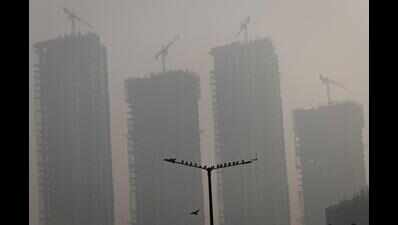
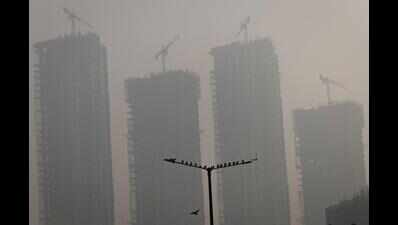
New Delhi: In a move aimed at reducing winter air pollution through advance planning rather than emergency interventions, Delhi govt Friday notified a Proactive Winter Air Quality Management Framework, outlining a series of measures that could be implemented annually between Nov 1 and Feb 28.The framework, announced by chief minister Rekha Gupta, seeks to give residents, industries, construction agencies, commercial establishments and govt departments sufficient time to prepare for restrictions and pollution-control measures before the winter sets in.Among its key provisions, petrol pumps will supply fuel only to vehicles with a valid pollution under control certificate. Govt has also proposed doubling parking charges at authorised facilities to discourage excessive use of private vehicles and promote cleaner modes of transport.Under a staggered office-timing system, govt and private offices, barring essential and emergency services, will be allowed a maximum of 50% physical attendance.To reduce vehicular emissions, most non-BS-VI commercial vehicles registered outside Delhi will not be allowed to enter it between Nov 1 and Jan 31.Officials said the initiative marked a shift from the earlier practice of introducing restrictions only after pollution levels had deteriorated significantly. The advance notification will help stakeholders avoid last-minute disruptions, she added.The framework has been notified under Environment (Protection) Act 1986 and will function alongside the revised Graded Response Action Plan.Construction and demolition activities will follow environmental and dust-control norms between Nov 1 and Jan 31, with additional restrictions between Dec 10 and Jan 20, when pollution levels are at their peak.Govt has also made anti-smog guns, mist suppression systems and other dust-control mechanisms mandatory at large commercial highrise buildings and major construction sites. The framework emphasises prevention of open burning of garbage, leaves and other materials. Residents welfare associations, institutions, contractors and establishments will take preventive measures, including making alternative heating arrangements for guards and workers.Drone-based surveillance and field monitoring will be intensified and violations will attract environmental compensation charges and other penalties.CM said improving Delhi’s air quality would require active participation from citizens, RWAs, industries and institutions.