






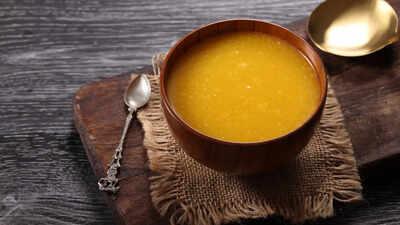
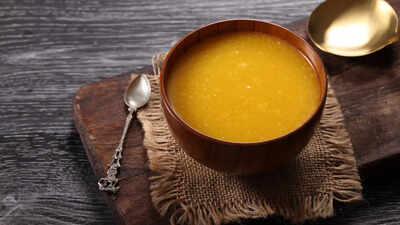
Ghee, also known as clarified butter, is an Ayurveda-approved food item highly valued for its medicinal properties. It is believed to promote digestion, boost immunity, and nourish the skin and hair. But, what if the ghee you are using is made with vegetable fat, fatty acid mono- and diglycerides and can lead to major health issues? According to the latest reports, the Food Safety and Drug Administration (FSDA) has declared six brands of ghee in Aligarh unsafe. The manufacture, sale, and storage of these brands have now been banned in the district. This action was taken based on test reports received from various districts.According to an online report by Jagran, the ghee samples of all six brands failed the quality test and have therefore been classified as unsafe. The banned brands include Vrajvasi, Verona Products Pvt Ltd (Rajkot, Gujarat), Ratnagiri Chalisa Foods (Surat, Gujarat), Haryana Fresh (Gheeradhar Milk Foods Pvt Ltd, Panipat, Haryana), Dairy Nice (DCM Food & Milk Products, Narela, Delhi), Shri Rudra Devansh Products (Hisar, Haryana) and Avik Shiva Milk Foods (Ghaziabad, Uttar)The official YouTube channel of Zee News has also mentioned that the officials recently seized 252 kg of adulterated ghee in a van. The adulterated ghee was packed in 6 blue trunks was being transported to other parts of the district. According to officials, the sale of ghee from these brands in any shop, stall, warehouse, or distribution channel in the district will lead to strict legal action. Consumers have also been urged to pay special attention to the brand and quality when purchasing ghee.
Why ghee purity check is important
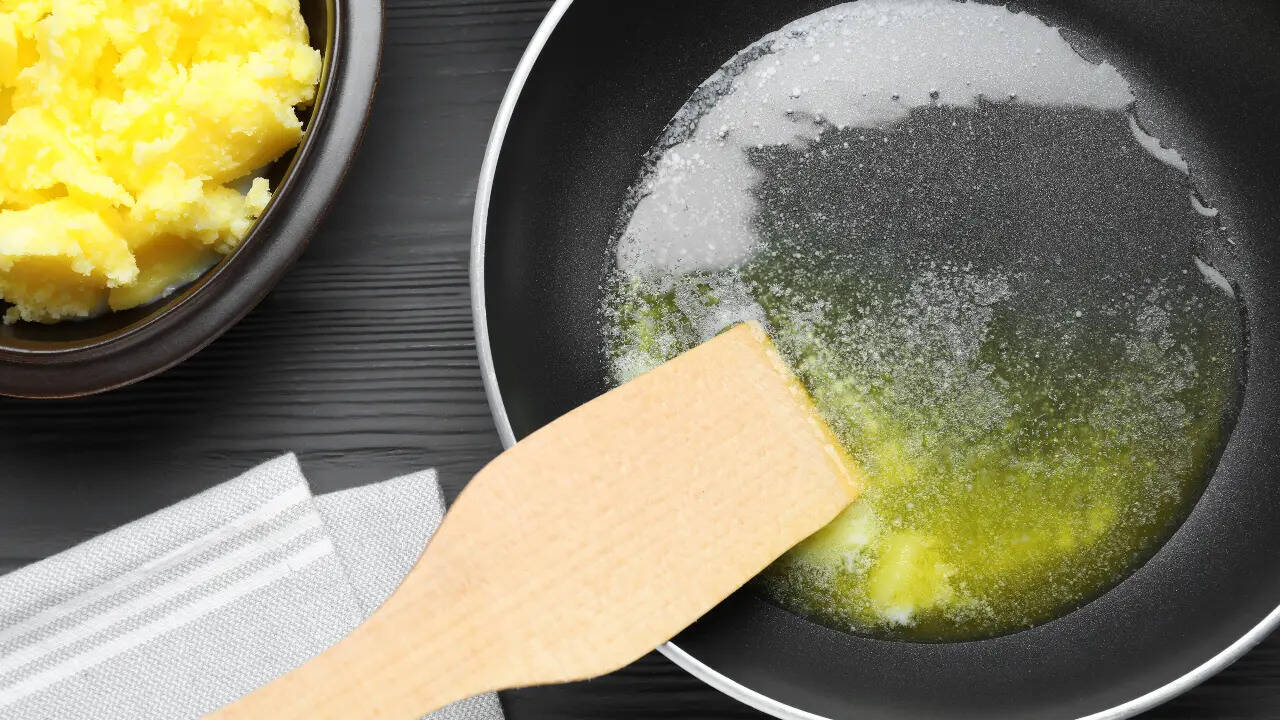
Adulterated ghee often contains harmful or inferior substances like vanaspati (hydrogenated fats), starch, animal fats, or synthetic colors and can pose serious health risks. The use of adulterants like starch or soapstone can also disturb the digestive system, leading to bloating, stomach pain, or diarrhea. It has also been found that some brands mix ghee with vanaspati or hydrogenated oils. These mixtures are high in trans fats, which leads to a rise in bad cholesterol (LDL), lower good cholesterol (HDL), and significantly increases the risk of heart disease. Appearance and texture: Traditionally, ghee in its purest form has a golden color and a rich, creamy texture. When held against light it should appear translucent and clear. The pale color of ghee could indicate preservatives, and one should avoid it.Packaging and label: It is important to pay special attention to the packaging and label of ghee products. A genuine ghee brand will have all major certificates of regulatory compliance on it. The license number, date of packaging, and expiry date should be thoroughly checked before buying ghee.Aroma and flavor: Naturally, ghee has a nutty flavor and a smooth consistency. The ghee should never smell burnt as it has a high heating point. A burnt smell could be due to the presence of water or additives. Hence, such ghee should be avoided at all costs.Palm test: Simply, pour frozen ghee on your palm and if it starts melting instantly then the ghee is pure. Otherwise, it is not pure, and such ghee should be avoided.Water test: Fill a glass with normal room-temperature water, add ghee to it. If the ghee floats it is unadulterated and if it sinks, the ghee is infused with foreign material.Salt test: Add a pinch of Hyaluronic acid and tablespoon of salt to two spoons of ghee. After 20 minutes check the color of the ghee. If the ghee has turned red it means it is adulterated.Iodine test: Add two drops of iodine solution to ghee. If it turns purple, the ghee has starch present in it.
How to make pure ghee at home
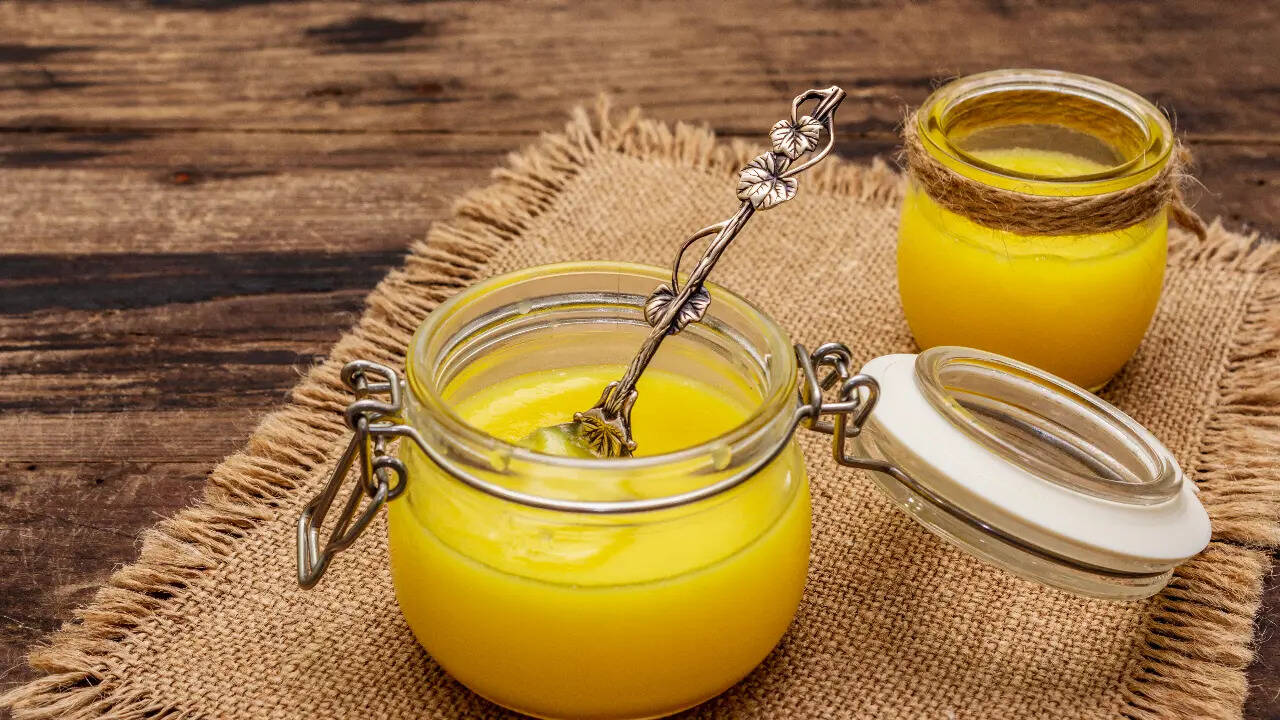
Ingredients: 1 kg homemade malai , 2 cups ice water, and 1/2 tbsp curdMethod: Store homemade malai for 30-35 days or until it measures 1 kg and then warm it up. Once it is lukewarm, stir in curd, cover and let it set for 8-10 hours. Refrigerate it for 12 hours and then, with the help of a hand churner, churn the milk solids until they turn into light and fluffy butter. Add 2 cups of ice water, then separate the butter and buttermilk. Transfer the butter to a heavy-bottomed pan and simmer on low flame until the clear, golden liquid is visible. Your homemade ghee is ready. Let it cool down, strain and store it in an air-tight glass jar or steel container. Use the buttermilk as a drink or use it to make cheela or kadhi.Images Courtesy: istock