










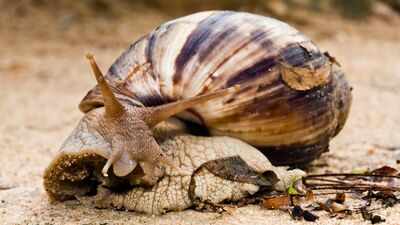
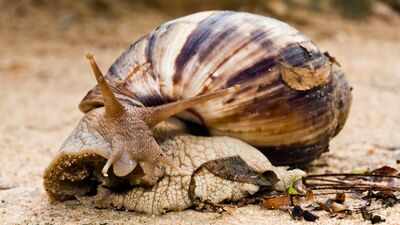
The invasive and dangerous Giant African Land Snail has been spotted in the U.S. again and officials are asking people to be on the look out for any signs of the unwelcome varmints. Some areas in Southwest Florida were placed under quarantine to try and stop the spread of one of the world’s most invasive species.The Giant African Snail has been found numerous times in Florida over the years and officials are trying to find a way to finally get rid of them once and for all.The dangerous, Giant African Snail, also known as GAS or GALS, can decimate at least 500 different species of plants. Officials are now asking for help from the public to spot any signs of the snails before it becomes too late.The Florida Department of Agriculture and Consumer Services has warned that the snail has made its return and they want the public to report them quickly so that they can contain the infestation before it gets out of control.The reason for this is because Giant African Snails can produce thousands of eggs each year.
Why you should not try to handle the giant African snail
Authorities warn that you should not try to pick up the giant African snail and take a picture instead.According to the National Invasive Species Information Center, of the U.S. Department of Agriculture, the Giant African Landsnail is considered one of the worlds most invasive species. The snails can feast on hundreds of different plant species but can also damage buildings by eating the calcium in the plaster and stucco.Officials have outlined some of the possible signs that people should look for if they think the Giant African Snail is near.Some of the signs people should look for include, seeing giant snails with cone shaped, brown shells, which can be up to eight inches long, large amount of slime on walls or paved surfaces, plants or crops that have suffered damage, and clusters of tiny, cream colored eggs in the ground.People are also being warned about the dangers of the Giant African Snail as they can carry a parasite that cause meningitis in humans.Because of this, people could get very sick.Another problem with the Giant African Snail is that if an area becomes infested, they have to go through a very strict quaratine. This includes not being allowed to move anything, like plants, soil or yard waste, from the infected areas to try and stop the eggs from hitchiking to new places. Getting rid of the Giant African Snail can be a long and difficult process.Authorities say it can take several years to get rid of them since one adult can make up to 1,200 eggs and can be as long as eight inches. It is only through the help of the public that officials are able to stop the infestation of this dangerous snail before it causes too much damage to crops, the environment and peoples health.