





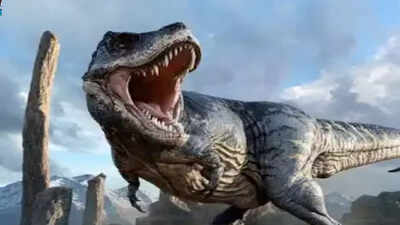
Every minute of the day is spent searching for food, providing warmth and protecting the babies from the harsh environment outside. But millions of years ago, the predator had a completely different lifestyle right from the moment it emerged from its shell. The study offers new clues about how young tyrannosaurs may have lived. This hidden world is explained in a research study published in the journal Biology. The findings suggest these dinosaurs were active soon after hatching. The fossil evidence reveals that a hatchling weighed only about 2.5 kilograms. To understand just how small that is, it is roughly the same weight as a standard domestic house cat. A closely related cousin from the same family group, known as Gorgosaurus libratus, was also found to have a similar hatchling weight of around 2.4 kilograms.This means that a baby predator started its life at less than 0.1% of its ultimate adult body mass. It is a stunning contrast when you think about the massive, bone-crushing adults they would eventually become. Yet, despite being no larger than a small pet, these infants were definitely not sitting around waiting for their parents to drop food into their mouths. They were built for immediate action.Researchers used synchrotron scans to examine the inside of this extremely rare fossilised skeleton from a young individual. The results showed evidence of Haversian bone remodelling. To be precise, it means the bone tissue had been remodelled in response to mechanical stress. Such a configuration suggests that the creatures may have been active and capable of walking shortly after hatching. The study suggests the young predators were active soon after hatching.Quick adaptation in a hostile ancient worldThe study suggests young predators faced a challenging environment in the Late Cretaceous. Unlike many young animals, these creatures appear to have been mobile soon after hatching. This suggests they were precocial, meaning they could move around independently on two legs.The most surprising discovery came when the scientists looked closely at the fossilised teeth of these tiny individuals. The teeth showed clear signs of physical wear and tear. This is an important clue about their daily diet and lifestyle. The smooth patches on the teeth suggest these cat-sized infants may have been feeding on vertebrates.The study does not suggest they were limited to insects or worms. Instead, they may have been chasing down and eating other vertebrates. Because they had long, light legs, they may have been faster and more agile than their heavier parents. This design may have helped them pursue smaller, quick prey that adults were less suited to catch.This form of independent hunting made the family structure very flexible. The researchers suggest the babies may have received little parental attention. The study suggests the parents may have provided little direct care, unlike many modern birds. After hatching, the young may have been largely on their own.
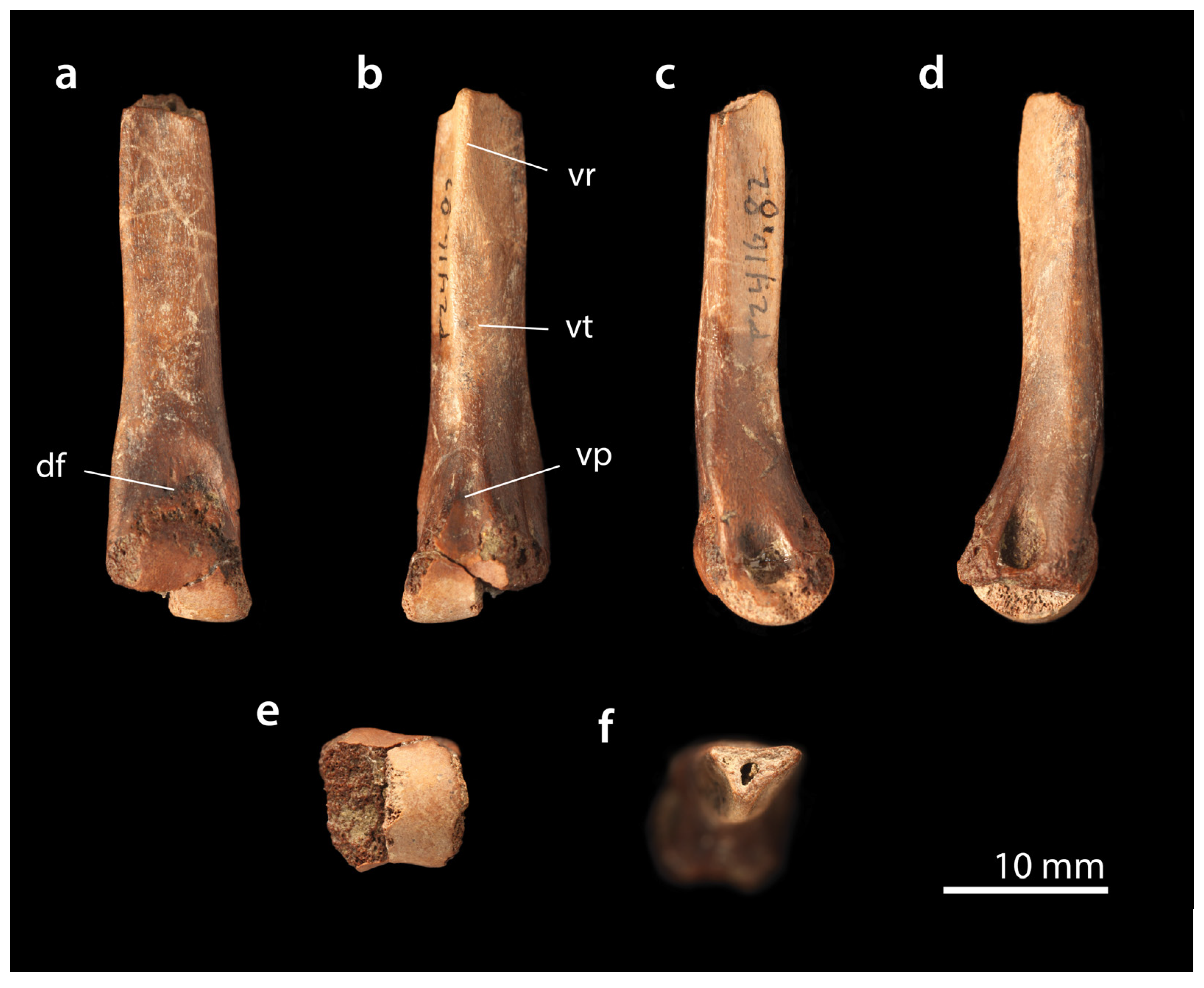
Unlike many modern birds, these dinosaurs received little parental attention after hatching. The species survived by laying numerous eggs in large clutches. This strategy allowed young dinosaurs to occupy different ecological niches from adults. Image Credits: Hatchlings of Tyrannosaurus rex and the Evolution of Dinosaur Reproductive Strategies
The size of dinosaur clutchesAs the young were in danger without any parental protection, the species survived due to its numbers. As described in the research, these dinosaurs laid eggs in large clutches. They would lay numerous eggs at once, thus ensuring the survival of at least some of them.The scientists were able to create conservative estimates for the size of these ancient nests. According to the study, a smaller adult Tyrannosaurus rex would likely lay around 20 eggs in a single clutch. The very largest females of the species could potentially produce up to 30 eggs at one time. The numbers were even more dramatic for their close relatives, with some nests potentially holding 50 or even 100 eggs.This approach is very different from what we see in the modern sky. Many birds invest substantial energy in a relatively small number of eggs, guarding them and feeding the chicks for weeks. The ancient giants followed a different reproductive strategy. Their strategy differed from that of many reptiles and birds, which vary widely in parental care.This way of life meant the youngsters occupied a different ecological niche from their parents. While the adults were killing large herbivores with the help of their heavy skulls, the quick youngsters were chasing down smaller numbers in the shrubland areas. It may have helped the species exploit different ecological roles at different life stages.