








If you have lost a dog before, you know the grief is different than what people expect. There’s no bereavement leave for it. No casseroles at your door. And yet the emptiness, the space on the couch, the morning ritual, the sudden silence, can be absolutely devastating. A new study, published in the journal Death Studies, examined 102 publicly available online dog memorials and found something quietly profound: people aren’t just grieving their dogs. They are using these obituaries to hold on, to make meaning, to tell the world exactly who that dog was and who they were together.In this study, the researchers, Jennifer Currin-McCulloch, Wendy Packman, Lori Kogan, Cori Bussolari, and Olivia Benesch, examined memorials written for three very different types of dogs: companion dogs (the beloved family pet), therapy dogs (animals trained to provide emotional support in hospitals and schools), and police K9s. They found that, across all three groups, these stories were doing much more than expressing grief. They were instruments for the crafting of legacies, the forging of identities, and the preservation of a relationship that writers evidently did not wish death to sever entirely.Grief that society does not always take seriouslyHere’s the thing about losing a dog in America: millions of people probably go through it every year, and society still hasn’t quite figured out how to hold room for it. In this study, ‘Grieving the loss of a pet: A qualitative systematic review,’ Cleary et al. synthesized findings from 17 studies on pet bereavement, and found that pet parents losing a beloved companion may experience grief that feels comparable to that of losing a human loved one, touching deeply personal themes including the nature of the relationship, intense feelings of guilt, and uncertainty about the future.
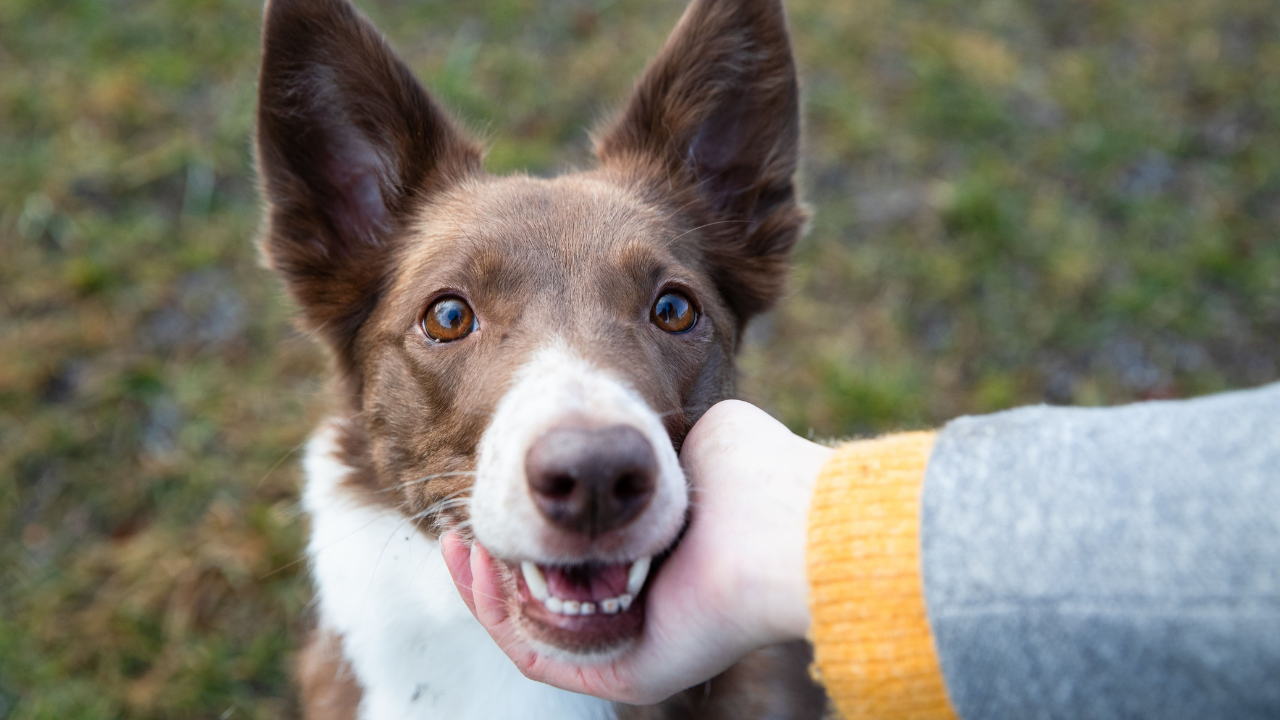
A bond that doesn’t end at death. Image Credits: Pexels
This disconnect between the reality of the grief and the lack of recognition for it has a name: disenfranchised grief. According to this study by Spain, O’Dwyer, and Moston, published in Anthrozoös in 2019, disenfranchised grief occurs when a loss is not acknowledged, and the bereaved are not able to freely express their feelings. This same study found that viewing grief as illegitimate can result in several negative psychological outcomes for bereaved individuals, such as greater distress and lower quality of life. For many dog parents, especially younger adults who grew up with the idea that pets are full family members, being socially dismissed can add to an already painful experience.What a dog’s obituary is actually doingSitting down to write a memorial post for your dog, whether on a Facebook page, pet loss website, or tribute blog, could be a more deliberate act than simply venting. In the research published in Death Studies, the researchers found that all groups used these narratives for meaning-making, validation, and legacy construction. Writers were working through not just the death, but the entire arc of the relationship: how the dog arrived in their life, what it meant to care for them, and what sort of person that dog helped them to be.For companion dog parents, this often manifested itself in sharing small, intimate rituals like the morning walks, the way the dog greeted them at the door, and the inside jokes only they shared. The obituary might became a record of a relationship that the outside world may not have seen or appreciated in its entirety.A therapy dog’s passing is also a professional lossThe grief was different for therapy dog handlers. These dogs were not only beloved companions, but partners in work that mattered. The study found that therapy dog handler memorials reflected a dual loss, remembering the dog’s personality and the professional purpose the pair developed together. When a therapy dog dies, a handler loses a colleague, a role, and a version of themselves that existed only within that partnership.The weight carried by K9 handlersOne of the most notable was the memorials to police K9 handlers. These obituaries were thick with duty and institutional identity, couched in the formal language of service, but underneath the emotional loss was unmistakable. According to the study, K9 handler narratives reflected the nuanced integration of emotional intimacy along with the presentation of social roles and value, a recognition that a K9 partner is a working colleague, a daily companion, and in many cases the animal you trust with your life.
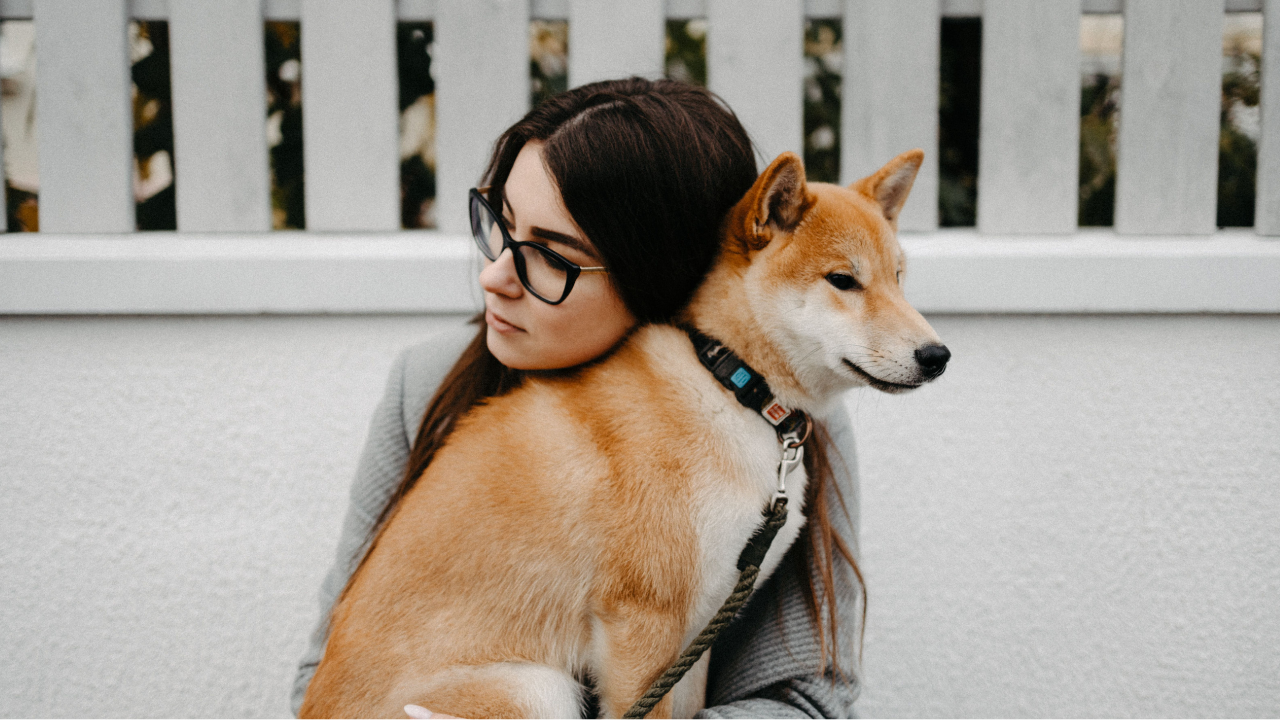
The relationship that obituaries are trying to preserve. Image Credits: Pexels
The bond does not end at death, and that’s okayOne important theme in this research is continuing bonds: keeping an emotional connection to someone who has died is not necessarily pathological and can be part of healthy grieving. In the Spain et al. study, the authors found that disenfranchised grief can hinder continuing bonds and may limit the personal growth that can follow loss. In this view, writing a memorial is not simply mourning. It is an act of an ongoing relationship, and research suggests it can actually help.Why this matters right nowFor millennials and younger adults in the US, dogs are often the first real experience of loving something unconditionally, then losing it. In this generation, many people may live alone or away from family, and their dog could be their main source of companionship on a daily basis. When that dog dies, it’s not just a sentimental loss; it could be a structural loss that may change how the day is built.What this research is telling us is that the urge to post a memorial, to write something down, to tell the world about your dog, may not be oversharing. This could be a very human thing to do and psychologically significant. It’s how people say: this life mattered, this bond was real, I’m not ready to let it vanish.That reads less like an obituary and more like a love letter.