






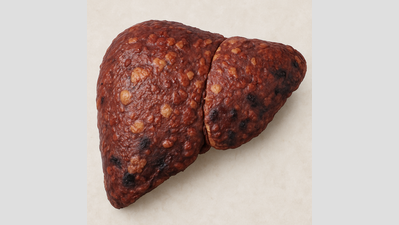
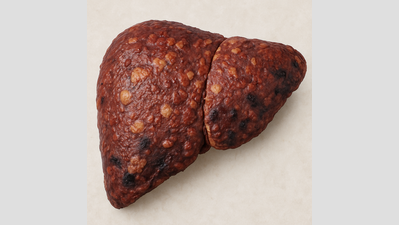
New Delhi: When 22-year-olds with no visible health issues start turning up with abnormal liver tests, doctors say it is a warning India can no longer ignore. On World Liver Day, specialists flagged a sharp rise in liver disease among young adults, driven largely by lifestyle-related metabolic disorders, calling it a fast-growing public health crisis.Doctors say Metabolic Dysfunction-Associated Steatotic Liver Disease (MASLD) — earlier linked mainly to middle age — is now being increasingly diagnosed in people in their early 20s, fuelled by sedentary lifestyles, poor diet and rising metabolic risks.Highlighting the trend, Dr SK Sarin, director of the Institute of Liver and Biliary Sciences (ILBS), said data clearly show a growing burden of fatty liver disease among young Indians. “This is a clear and alarming trend backed by evidence,” he said.Citing a 2024 Delhi-based survey conducted across community health centres, Sarin said 56% of those screened were found to have fatty liver disease. “One in two people had fatty liver, including 11% who were lean and not obese, challenging the common belief that the disease affects only overweight individuals,” he said.He added that obesity rates rise sharply with age — from around 3% in children under five to nearly 15% by the age of 12 — indicating that metabolic risk begins early.Data from the SMILES (Stronger India through Million Health Educated Students) programme further underline the concern. Among over 43,000 participants aged 18–25, fatty liver, high blood pressure and sedentary behaviour were increasingly common, with nearly 40% reporting they did not even walk for 40 minutes a day.Dr Sanjiv Saigal of Max Super Speciality Hospital, Saket, said MASLD results from fat accumulation in the liver in people with risk factors such as obesity, diabetes and abnormal cholesterol levels. “If unchecked, it can silently progress from simple fat deposition to inflammation, fibrosis, cirrhosis and even liver cancer,” he said.Calling it a “perfect storm”, Dr Bhushan Bhole of PSRI Hospital said genetic predisposition, unhealthy diets, physical inactivity and early-onset metabolic disorders were driving the rise. “At least one in four young Indian adults aged 18–35 now show signs of MASLD or elevated liver enzymes,” he said, adding that Indians are especially vulnerable due to a tendency to accumulate visceral fat even at normal body weight — a condition referred to as “lean MASLD”.Air Cmde (Dr) Bhaskar Nandi of Sarvodaya Hospital said the disease often goes unnoticed. “Even normal-weight individuals can carry significant liver risk due to hidden visceral fat and insulin resistance,” he said, describing MASLD as “a disease of late-night eating, prolonged sitting and chronic sleep disruption”.Clinical observations are backed by data. A 2025 multicentric Indian study involving over 13,000 adults found fatty liver prevalence as high as 68%, with one in three already showing signs of liver fibrosis. The burden was highest in north India, and age was not a limiting factor, with young adults equally affected.Environmental factors are further compounding the risk. Bhole pointed to studies linking exposure to air pollution, particularly PM2.5, with liver inflammation and fat accumulation.Despite the worrying trend, doctors stress that MASLD is preventable — and even reversible — if detected early. “A weight loss of just 5–7%, healthier eating and regular physical activity can significantly reduce liver fat,” Bhole said, adding that routine screening is crucial for those with risk factors such as abdominal obesity or diabetes.“The liver has a remarkable ability to regenerate,” Saigal said, adding, “But only if we act in time.”