






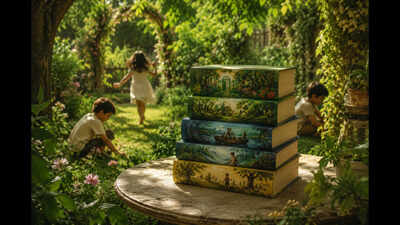
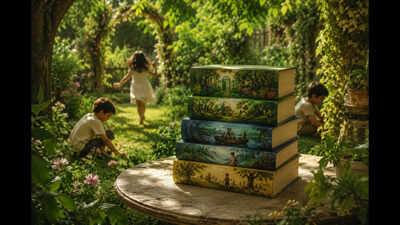
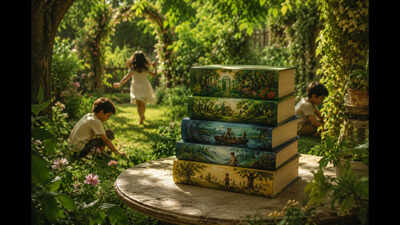
Most gardening books can teach a child how to plant a seed, water a sapling, or identify a flower. What they often cannot teach is something deeper: how to feel a relationship with the living world. The greatest children’s classics do not merely describe nature; they make forests, gardens, rivers, and trees feel alive. They teach children that plants are not decorations but companions, that seasons are not dates on a calendar but rhythms that shape our lives, and that paying attention to the natural world can transform the way we see ourselves.At a time when many children encounter nature through screens more often than through soil, these books offer something invaluable. They cultivate wonder. And wonder, more than any gardening lesson, is often the beginning of lifelong love and stewardship for the natural world.
15 Jun 2026 | 12:57
Is spending lakhs on a child’s birthday party reasonable or insane?
The Secret Garden by Frances Hodgson Burnett
“If you look the right way, you can see that the whole world is a garden.”Few books have done more to connect emotional healing with the natural world than The Secret Garden. The story follows Mary Lennox, a lonely and unhappy child who discovers an abandoned garden hidden behind locked walls. As she helps revive the neglected space, the garden gradually heals her as well.
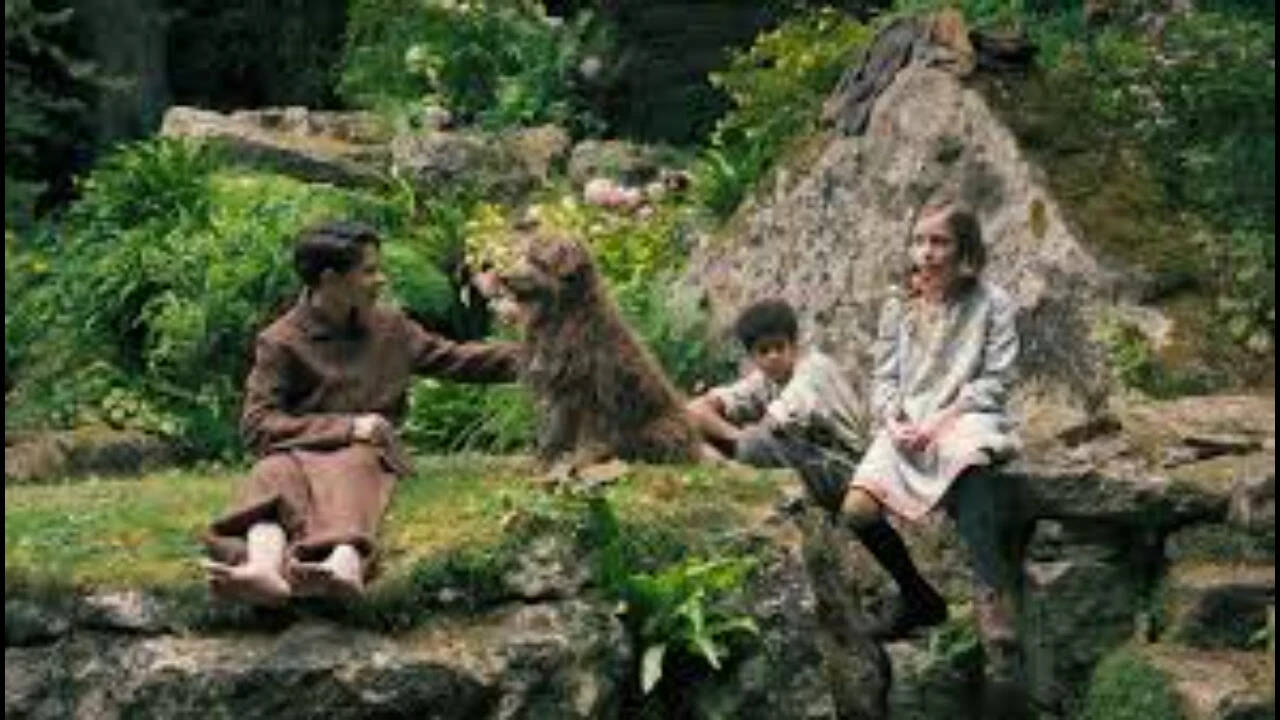
The Secret Garden follows Mary Lennox, a lonely and unhappy child who discovers an abandoned garden hidden behind locked walls. As she helps revive the neglected space, the garden gradually heals her as well.
What makes this book extraordinary is that it teaches children that nature is not something separate from human life. The restoration of flowers, trees, and shrubs mirrors the restoration of hope, friendship, and joy. Burnett understood something modern psychology has only recently begun to study: that green spaces have a profound effect on emotional wellbeing.Children who read this book learn that gardens are not a collection of plants. They are places where people grow too.
Anne of Green Gables by Lucy Maud Montgomery
“I’m so glad I live in a world where there are Octobers.”Anne Shirley sees nature with a level of attention that transforms ordinary landscapes into something magical. She names trees, speaks to flowers, falls in love with forests, and finds beauty in every changing season.Unlike many books that treat nature as a backdrop, Anne of Green Gables places it at the center of the experience of being alive. Through Anne’s eyes, children learn to notice details they might otherwise ignore: the colour of leaves before autumn, the scent of apple blossoms, the changing light over fields and lakes.The book quietly teaches an important lesson about environmental appreciation. We protect what we notice, and we notice what we love. Anne’s deep affection for the landscape around her encourages readers to develop their own emotional connection with the natural world.
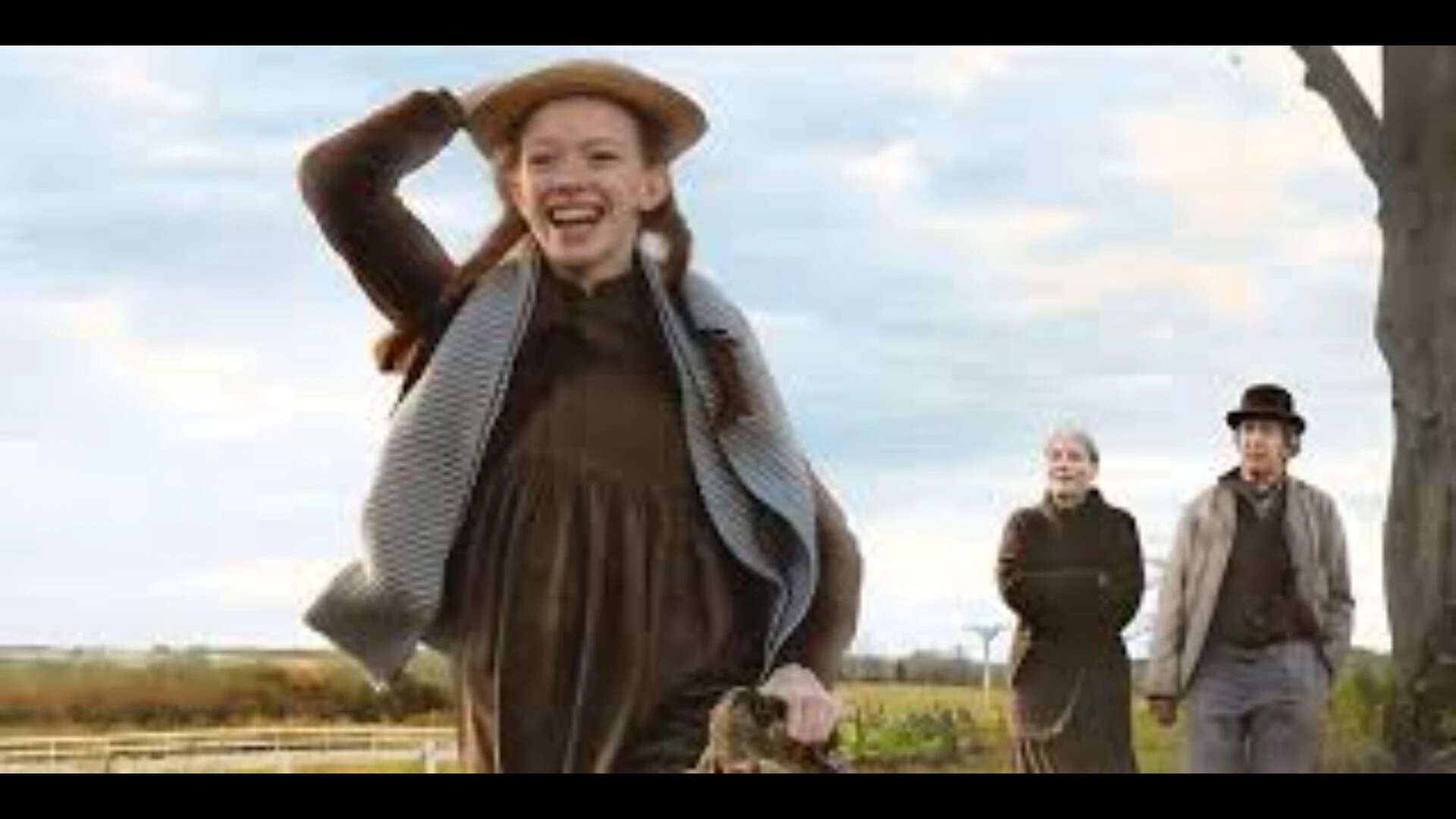
Through Anne’s eyes, children learn to notice details they might otherwise ignore: the colour of leaves before autumn, the scent of apple blossoms, the changing light over fields and lakes.
The Wind in the Willows by Kenneth Grahame
“Believe me, my young friend, there is nothing—absolutely nothing—half so much worth doing as simply messing about in boats.”While often remembered as an animal adventure, The Wind in the Willows is one of the most beautiful celebrations of rivers, woods, and countryside ever written for children. Grahame fills every page with an intimate understanding of natural landscapes.The river is not simply a setting but a living presence that shapes the lives of Mole, Rat, Badger, and Toad. Children reading the book begin to understand that ecosystems are communities where every creature, plant, and season plays a role.More importantly, the novel teaches slowness. In a culture that constantly encourages speed and productivity, Grahame celebrates wandering, observing, and simply being outdoors. It helps young readers discover that nature’s greatest gift is often not excitement but peace.
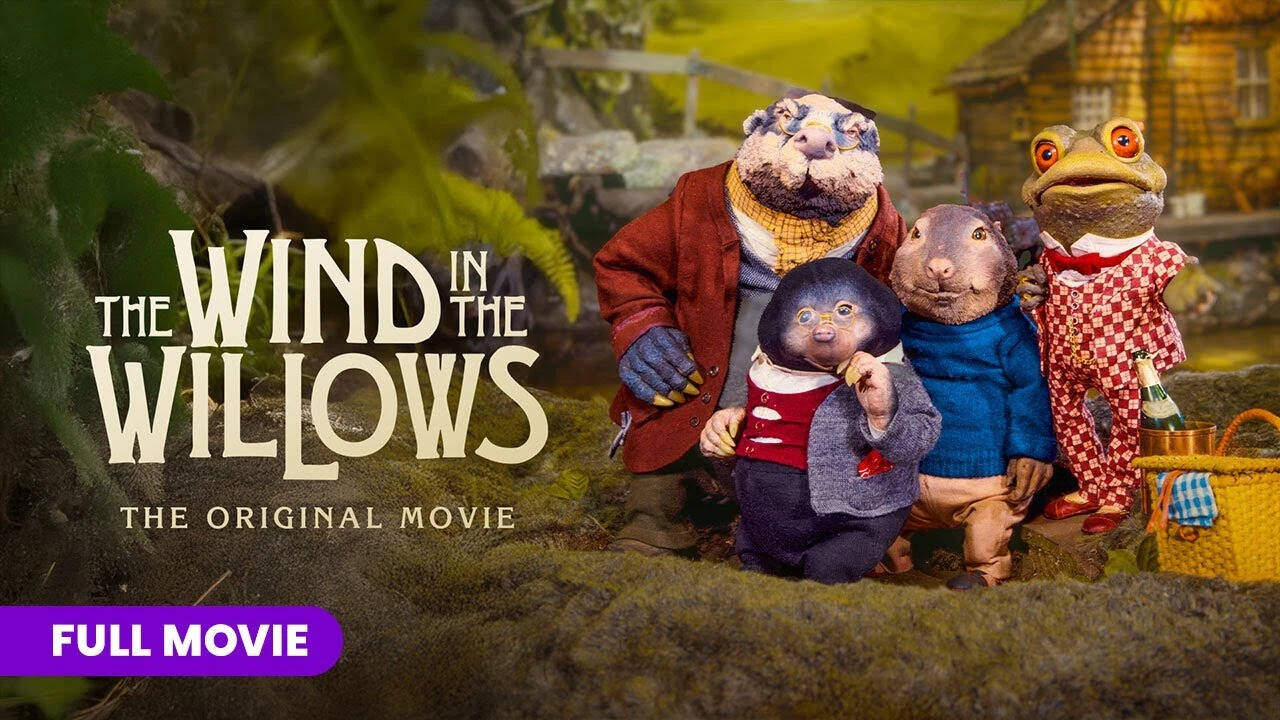
The river is not simply a setting in The Wind in the Willows, but a living presence that shapes the lives of Mole, Rat, Badger, and Toad.
My Side of the Mountain by Jean Craighead George
“I am still alive.”This opening line begins one of the finest books ever written about living in close harmony with nature. The story follows Sam Gribley, a boy who leaves city life and survives alone in the wilderness by learning from the forest around him.
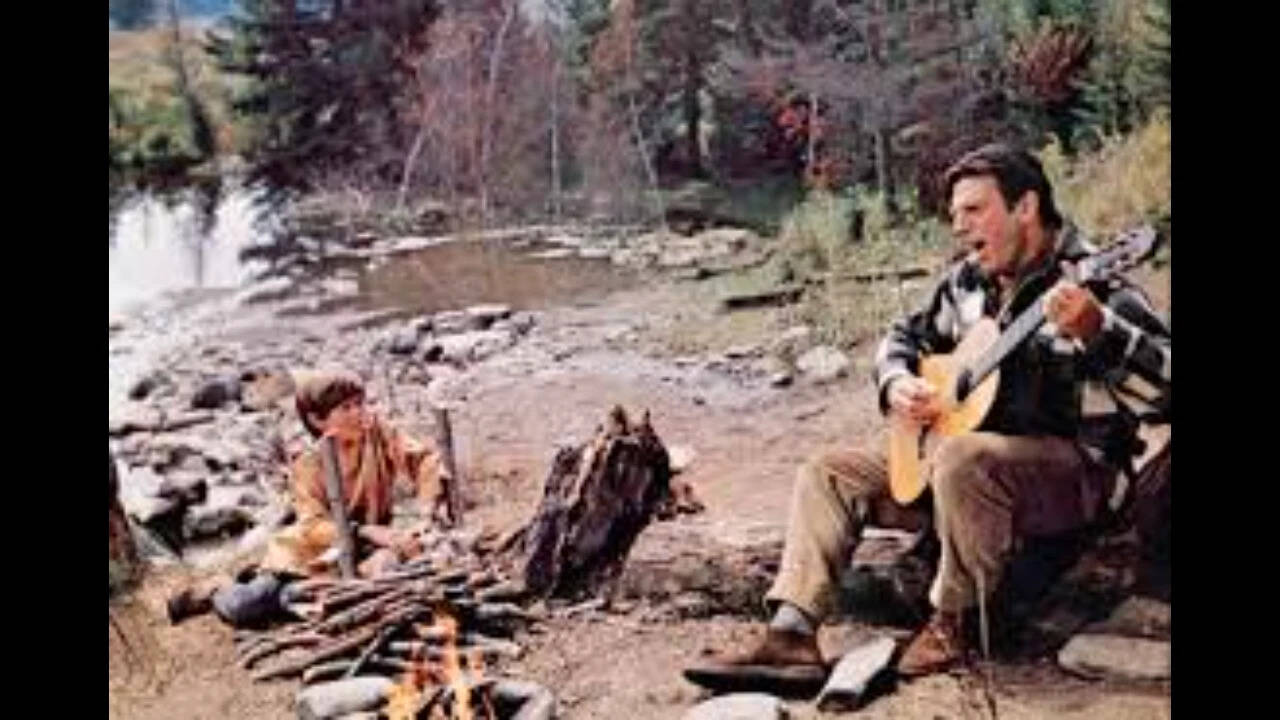
Unlike many survival stories, the book does not portray nature as an enemy to conquer. Instead, it presents the natural world as a teacher.
Unlike many survival stories, the book does not portray nature as an enemy to conquer. Instead, it presents the natural world as a teacher. Sam succeeds because he learns to observe trees, birds, weather patterns, and plants with patience and respect.For children, the book offers a powerful lesson in ecological literacy. It demonstrates that understanding nature requires humility and attention rather than domination. Readers come away with a greater appreciation for how interconnected life truly is.
The Giving Tree by Shel Silverstein
“And she loved a little boy very, very much—even more than she loved herself.”No discussion of children’s literature and trees would be complete without The Giving Tree. On the surface, it is a simple story about a tree that gives everything it has to a boy throughout his life. Yet beneath its simplicity lies a profound meditation on humanity’s relationship with nature.
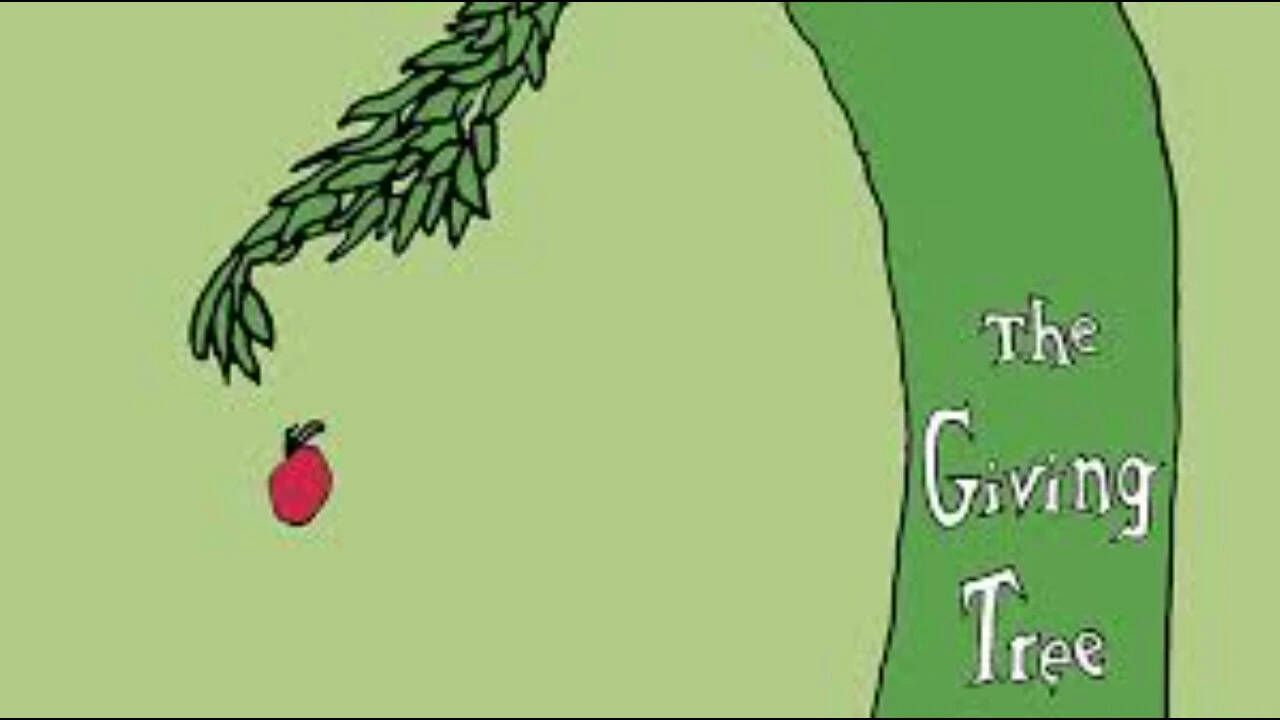
Children often read the story as one about love and generosity. Older readers frequently discover another layer: the tendency of human beings to take endlessly from the natural world without considering what is being lost.
Children often read the story as one about love and generosity. Older readers frequently discover another layer: the tendency of human beings to take endlessly from the natural world without considering what is being lost.The tree’s unconditional giving creates an emotional connection that many environmental textbooks fail to achieve. Readers do not simply learn about trees; they begin to care about them. The story encourages empathy toward the living world, which may be the most important environmental lesson of all.These books have endured because they help children feel the pulse of the natural world. Long after readers forget the names of plants or the mechanics of gardening, they remember the secret garden behind a locked door, Anne’s delight in October, Mole beside the riverbank, Sam in the wilderness, and a tree waiting patiently for a friend. Those memories often become the roots from which a lifelong love of nature grows.