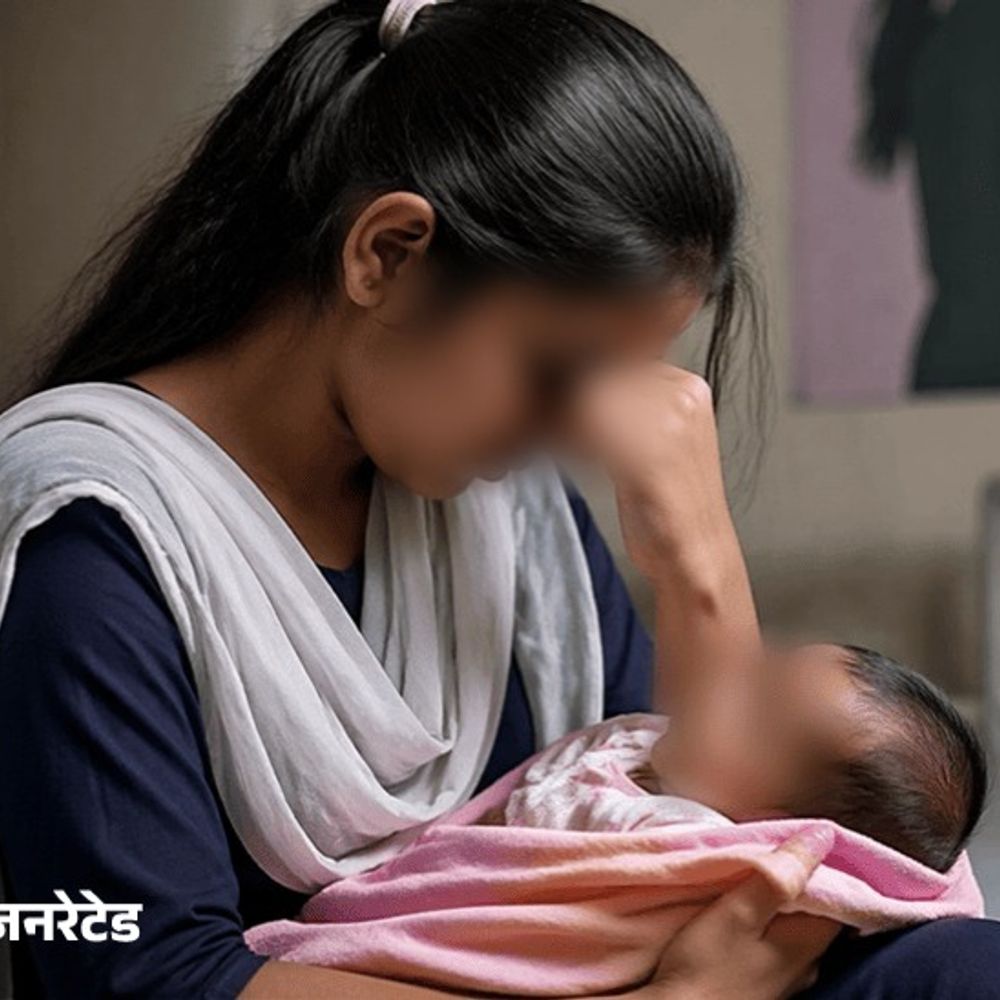











New Delhi: A month after Delhi budget allocated Rs 3.5 crore for the aftercare of young adults leaving child care centres and their integration into the mainstream, the women and child development (WCD) department has initiated steps to the end.The plan is to strengthen the scheme, starting with tracing these youths and building a database to bring them into the official fold, which will be followed by an assessment of their individual needs.This push comes amid a stark gap on the ground. Aftercare homes, meant to support young adults transitioning out of institutional care, remain severely underutilised in Delhi. A TOI report last Dec highlighted that only eight out of 100 seats were occupied at the After Care Home for Girls at Nirmal Chhaya Complex in Hari Nagar.The cracks show up in individual cases as well. A complaint from a resident of Khajoori Khas in northeast Delhi flagged the lack of rehabilitation and aftercare support for orphaned youths once they turn 18, along with difficulties they face in accessing basic documents, such as Aadhaar cards and birth certificates.The issue drew the attention of National Human Rights Commission (NHRC), which wrote to the department in March 2026, calling for greater sensitisation and action in this regard.The infrastructure exists, and so does the need, but the system has struggled to connect the two. Sources say the revamped approach aims to address this disconnect.Backed by the allocation of the dedicated fund of Rs 3.5 crore, the department has initiated the process of identifying eligible beneficiaries across child care institutes, before assessing their individual needs.The eligibility net is being cast wide. It includes those nearing 18 who still need care and protection, young people without a safe home to return to, and those for whom reintegration with their biological families is not advisable.Even those who return to their families yet require continued support, or those ready to live independently with minimal guidance, will be considered. Crucially, participation will depend on an individual’s willingness.Once identified, the youths will be linked to support across four key areas: Higher education, vocational training and internships, access to physical and mental healthcare, and financial assistance for basic needs such as food, shelter and clothing during the transition phase.WCD secretary Rashmi Singh said it won’t be a one-size-fits-all model and is designed to be flexible. “The scheme has just been announced, and we’ve already brought stakeholders together. Committees have been formed in every district. Every young person’s needs are different, and the framework will reflect that. The mapping and assessment of their needs will be completed soon. This is not just about shelter — someone may need support for higher education or even to start a small venture,” she said.The shift towards early identification of youths and preparation to handhold them could be a gamechanger, according to the stakeholders. Sanjay Gupta, director of Chetna NGO, said, “The draft guidelines will help institutes prepare young people before they exit. The department has held wide-ranging consultations, and it is encouraging that training and orientation will now be a joint effort. Getting a clear picture of such youths will bring a much-needed direction.”Dr Kiran Modi, founder and managing trustee of Udayan Care, stressed that sustained collaboration will determine success. “The recent workshop brought together key stakeholders to build shared understanding and readiness. Going forward, continuous engagement, especially listening to young people who have experienced child care, will be critical to ensuring that aftercare translates into real, long-term outcomes,” she said.