



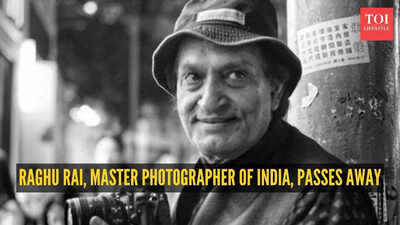
There are photographers, and then there are people who quietly become the memory of a nation. Raghu Rai was the latter.With his passing, India hasn’t just lost a legendary photographer – it has lost a witness. A patient, deeply human observer who spent decades looking at the country not from above, not from a distance, but from within. Through crowded streets, moments of grief, flashes of joy, and the stillness in between, he gave us India as it truly is -unfiltered, complex, and achingly alive.It’s hard to explain his impact to someone who hasn’t seen his work, because Raghu Rai didn’t just take photographs – he made you feel like you were there. Standing in the dust, hearing the chaos, sensing the silence.
The man who saw everything – and judged nothing
Born in 1942, Raghu Rai came into photography almost by accident. He started out as a civil engineer before discovering the camera – and thank goodness he did. What followed was a career that would stretch across decades and shape the visual identity of modern India.
He was mentored by none other than Henri Cartier-Bresson, the legendary co-founder of Magnum Photos. And yet, Rai never felt like a derivative artist. His eye was distinctly his own – rooted in India’s rhythms, contradictions, and soul.He wasn’t chasing perfection. He was chasing truth.
The images that stayed with us
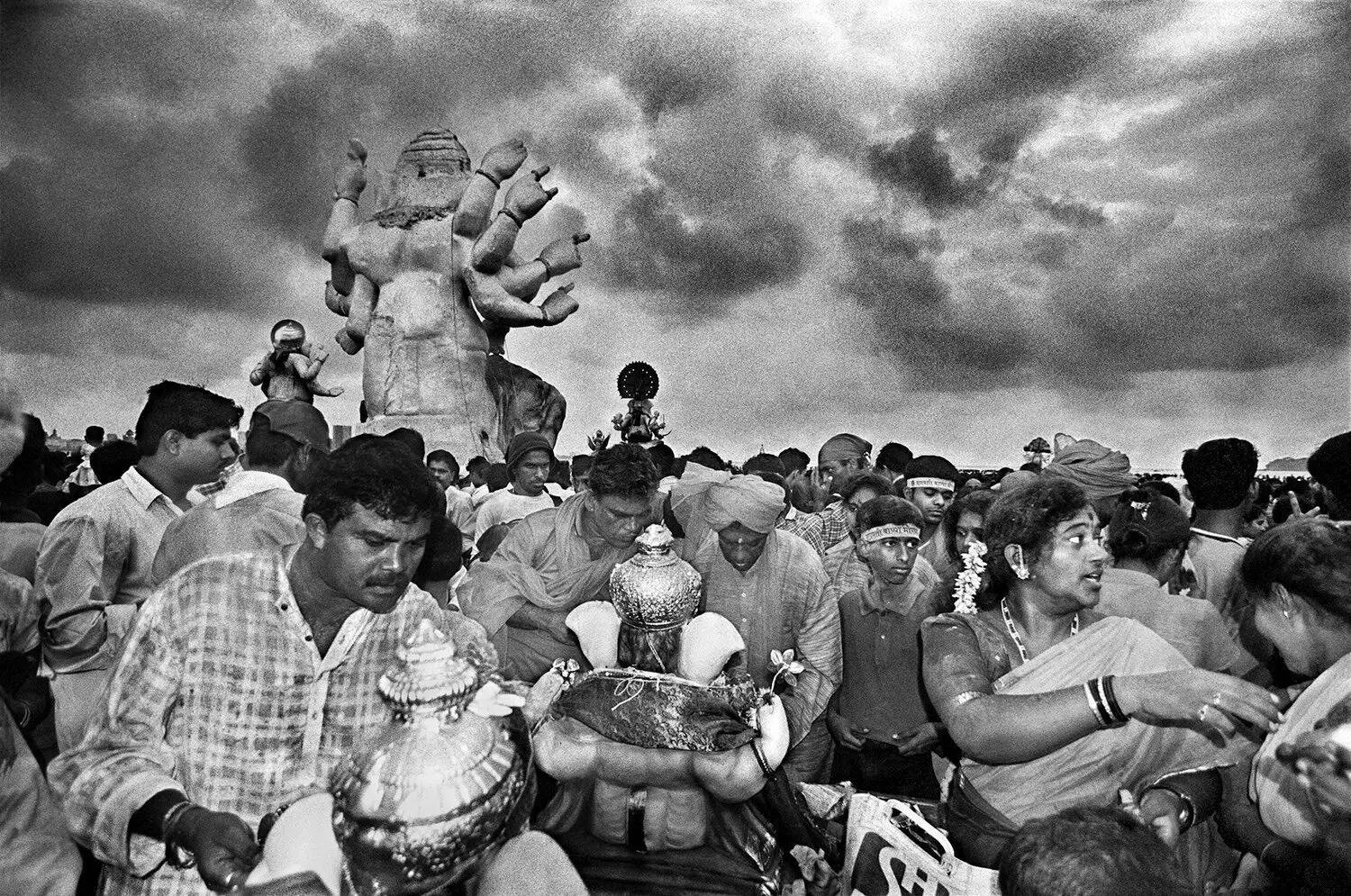
If you’ve ever seen haunting images from the aftermath of the Bhopal Gas Tragedy, there’s a good chance they were his. One photograph in particular – a child buried in the earth, eyes closed in eternal sleep – became one of the most powerful visual representations of industrial disaster anywhere in the world.But Raghu Rai wasn’t only drawn to tragedy. He captured everything.His lens wandered through Old Delhi’s narrow lanes, lingered on farmers in Punjab, paused at political rallies, and found quiet poetry in everyday life. He photographed icons like Indira Gandhi with rare intimacy, not as distant figures of power but as human beings carrying immense weight.He documented the chaos of Indian democracy, the grace of rural life, the madness of festivals, and the stillness of a moment just before something changes.
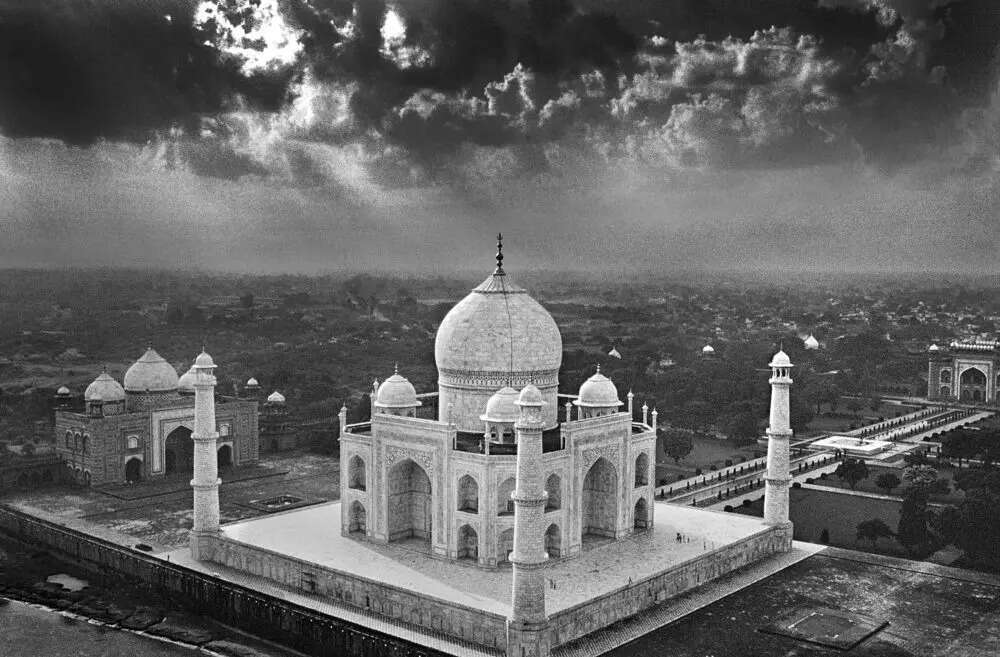
And then there were his images of Taj Mahal – not the postcard-perfect ones, but those wrapped in fog, shadow, and silence. He made even the most photographed monument in the world feel mysterious again.
Why he was irreplaceable
There are many photographers. There are even many great photographers. But Raghu Rai was irreplaceable for a simple reason – he belonged to the story he was telling.He wasn’t an outsider documenting India. He was India, observing itself.His photographs never felt exploitative. Even in moments of immense suffering, there was dignity. Even in chaos, there was composition. Even in noise, there was meaning.He had this rare ability to wait. To let life unfold instead of interrupting it. In today’s world of instant clicks and endless scrolling, that patience feels almost sacred.
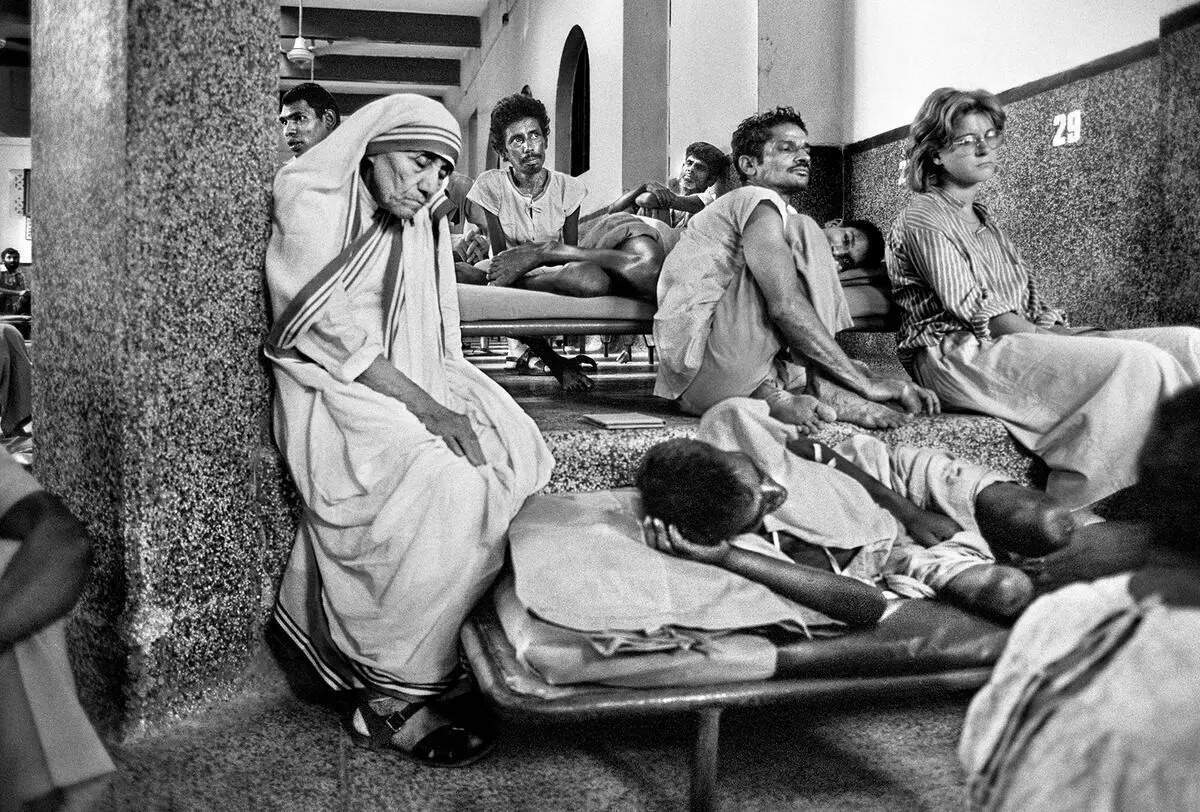
He once said that photography is about “seeing deeper.” And that’s exactly what he did – he saw beyond the obvious, beyond the surface, beyond what most of us rush past.
The human behind the camera
What made Raghu Rai even more remarkable was how grounded he remained despite global recognition. He worked with major publications, including Life magazine, and gained international acclaim, but he never lost his connection to the streets.He preferred walking. Watching. Blending in.He wasn’t interested in being a celebrity photographer. He was interested in being present.There’s something deeply moving about that in itself – the idea that a man could spend his entire life observing others, capturing their stories, and yet remain quietly in the background.
Interesting things many don’t know
Not everyone knows that Raghu Rai joined Magnum Photos in 1977 – personally invited by Cartier-Bresson himself. That’s like being handpicked by a legend who saw something extraordinary in you.He also had a long association with environmental and social issues. His work wasn’t just artistic – it was deeply conscious. He documented pollution in the Ganges, the changing face of cities, and the human cost of development long before these became mainstream conversations.And despite his monumental body of work, he remained endlessly curious. He kept shooting, exploring, learning – as if he were still that young man discovering the power of a camera for the first time.
A legacy that feels personal
What makes his loss hit harder is how personal his work feels. Even if you’ve never met Raghu Rai, chances are you’ve felt his photographs.You’ve seen India through his eyes without realizing it.Maybe it was a black-and-white frame of a rainy street. Maybe it was a fleeting expression caught in a crowd. Maybe it was a moment of stillness in the middle of chaos.His work didn’t just belong in galleries. It belonged in memory.
The silence he leaves behind
With his passing, there’s a strange kind of silence. Not loud, not dramatic – but noticeable. Like a familiar voice that’s no longer there.Who will wait the way he did?Who will look with that kind of honesty?Who will remind us that even in the most ordinary moments, there is something worth preserving?Of course, photography will go on. New names will emerge. New technologies will redefine the craft.But Raghu Rai wasn’t just part of photography – he was part of how India remembers itself.And that’s not something you can replace.
Goodbye to the man who showed us ourselves
In the end, perhaps the most beautiful thing about Raghu Rai’s work is that it never felt like his alone. It felt shared. Collective. Ours.He didn’t just document history – he gave it emotion.And now, as we look back at his images, they feel heavier. More meaningful. Almost like they knew they would one day have to speak in his absence.Goodbyes are always difficult. But this one feels especially so.Because when someone spends a lifetime helping you see the world more clearly, their absence leaves everything just a little harder to understand.Rest easy, Raghu Rai.You didn’t just capture life.You gave it a memory.