







(RNS) — When Gail Ritchey was sentenced to life in prison in 2022 for the murder of her infant child, the judge took the opportunity to question her humanity.
“I acknowledge you’ve since led a respectable, gracious life, so I can’t rationalize these two Gail Ritcheys,” the judge said to her. “Calling you a monster who deserves life imprisonment might not be an unfair exaggeration.”
“Baby Doe,” a new documentary about Ritchey’s case, captures this interaction on film — as well as the moment after, when Ritchey, participating in the hearing remotely from a local law enforcement facility, peered down at the open King James Bible in front of her, tears sliding down her cheeks.
“I’ve seen a lot of people who are monsters,” the corrections officer in the room with her said after the sentencing concluded. “You’re not a monster.”
In just over 90 minutes, “Baby Doe,” directed by Jessica Earnshaw, presents the “two Gail Ritcheys” to viewers. One is the beloved, conservative-leaning, churchgoing Ohio mother of three, who was 51 when she was convicted. The other is the young woman who, decades earlier, gave birth to a baby she said she believed was stillborn and left him alone in the woods. Emmy Award-winning actress Sarah Paulson is executive producer of the documentary, which accompanies Ritchey in her home, at her church and in the courtroom in the months leading up to the trial and invites viewers to wrestle with their notions of faith and morality.
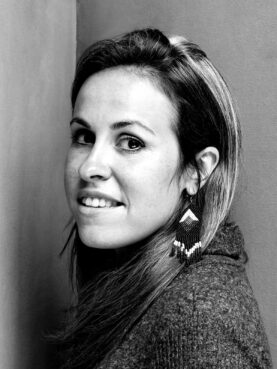
“I believe people are complex and complicated, and that we should see and understand why people do what they do,” Earnshaw told RNS in a video interview. “… When we just look at people like they’re monsters or villains or evil, that doesn’t really give us any way to move forward and understand people’s behavior.”
“Baby Doe” premiered last year at SXSW in Austin, Texas, and went on to win the Global Health Competition Award at the Cleveland International Film Festival. It opened in theaters in New York City, Los Angeles and San Francisco in July, and upcoming screenings are scheduled in Ohio, Texas, Washington, Oregon, Virginia, North Carolina and New Jersey.
In 1993, an unidentified newborn was discovered in a trash bag in a wooded area in rural Northeast Ohio’s Geauga County. Named “Geauga’s Child,” the child was buried by residents who paid for his funeral and headstone. His identity was a mystery until 2019, when DNA evidence linked the child to Ritchey.
When the documentary introduces viewers to the suburban mother, it’s clear from the outset that Protestant Christianity is woven into her daily life. Scenes capture Ritchey praying over meals with her family, displaying towering crosses in her yard for Easter and wearing a silver cross neckless as she volunteers in her church’s kitchen and lifts her hands during worship.
“She described to me very early on that it saved her,” Earnshaw said. “You know, it’s her faith and her relationship with her God … it was everything for her, and that never changed.”
Uncomfortable remaining at their Disciples of Christ church after the case was made public, Ritchey and her husband, Mark, began attending Life Brand Cowboy Church, a nondenominational church in Painesville, Ohio, in 2019. Leading up to the trial, Ritchey was heavily involved in the church, which is featured in the documentary. In one scene, Mark shares his testimony before the congregation.
“Gail and I are at this church because we felt we couldn’t find another church to go to. We didn’t feel welcome,” Mark said in the film. “There are people that have said she’s not to be forgiven for what she did. But you know what? We know that’s not right. I’m kind of counting on the fact that she deserves mercy.”
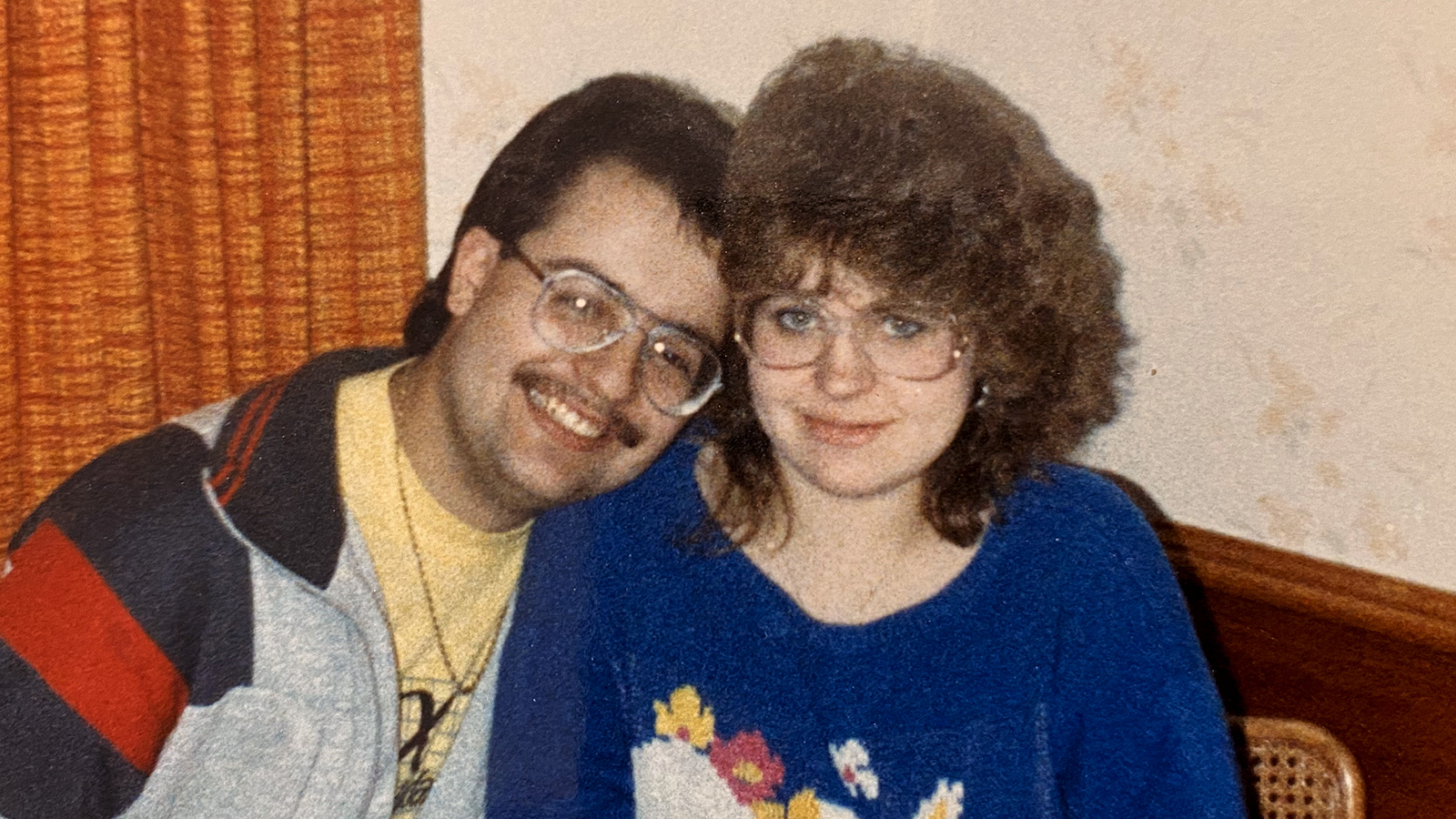
While the documentary highlights the comfort Ritchey draws from her Christian faith, it also traces how her upbringing in a conservative Baptist context contributed to the shame she felt as an unmarried pregnant woman in her 20s. In the film, Ritchey recalls an incident from her childhood when a girl from her church choir became pregnant and was instructed to confess her sin in front of the congregation. Though Ritchey says in the film that she believes premarital sex is a sin, she also admits to having sex before marriage with Mark, who she met through church.
“When it came to the church and her faith … it’s this thing that really gives her so much comfort and purpose and strength in the most difficult times in her life, but at the same time, there were parts of the way she saw herself in these difficult situations that really led to negative feelings about herself and an inability to ask for help,” Earnshaw said. “She felt like no one would understand, and she felt like she was the only one sinning.”
That sense of shame provides the context for what women’s reproductive mental health expert Diana Lynn Barnes, who is featured in the documentary, calls “unperceived pregnancy” — a psychological condition in which women and girls do not realize they are pregnant, sometimes until giving birth.
Barnes told RNS that women with unperceived pregnancies often are under age 25, have few financial resources and come from unstable homes. Many grow up feeling they have no one to talk to and feel detached from their families, she said. Women with unperceived pregnancies often lack typical pregnancy symptoms — morning sickness, fetal movement and expanding bodies — and tend to bleed throughout gestation.
“I did not know I was pregnant at the time,” Ritchey tells officers in footage from 2019 featured in the documentary. “The next thing I knew, I was giving birth to a baby in a toilet.”
Ritchey says in the film she does not believe the child was born alive.
According to Barnes, in Ritchey’s case, “psychosocial influences,” including the shame and isolation she faced, contributed to her inability to cope with the reality of her pregnancy and are what “caused that split between her body and her mind.”
“It’s like being in a dream state,” Barnes said. “They see themselves, but they cannot get into the middle of the action … something can literally be locked away in a file cabinet in your brain, and you have no access to it.”
Barnes said Ritchey’s experience isn’t an anomaly. In the call with RNS, she estimated that roughly 1 in 300 pregnancies are unperceived through 20 weeks, and 1 in about 2,500 through labor and birth. And there are other cases like Ritchey’s where the unperceived pregnancy results in the death of the infant — the case of college student Emile Weaver, who in 2016 was convicted of murdering her newborn, was what inspired Earnshaw to pursue a documentary about the topic.
“I think as a society we’re complicit in this happening,” she told RNS. “The best way to prevent this is tell your kids, ‘You can tell me when you’re pregnant, it’s safe.’ … We’ve for decades now accepted the narrative that these girls are monsters and they’re giving birth and they’re killing their children, and that’s just not what’s happening.”


