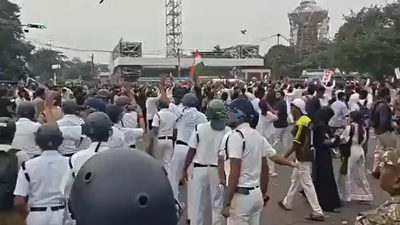






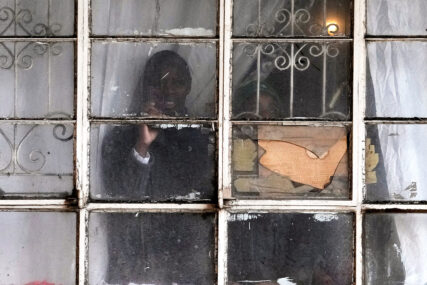
NAIROBI, Kenya (RNS) — After nearly two months of sustained anti-migrant unrest across parts of South Africa, Christian leaders are intensifying efforts to calm tensions, support displaced communities and discourage vigilante violence that has pushed more than 160,000 foreign nationals to leave the country.
The violence, which began weeks ago and has persisted in waves across several provinces, has included protests, intimidation and attacks targeting undocumented migrants. While some demonstrations have remained peaceful, others have turned deadly. According to figures compiled by AFP from governments repatriating their citizens, at least 12 people have died during the unrest.
Religious leaders say they have been steadily engaging communities, issuing pastoral guidance and providing humanitarian assistance as the crisis has unfolded.
At a recent Global Day of Prayer event, Pastor Chris Oyakhilome, founder of the global Pentecostal ministry Christ Embassy, reiterated calls he and other faith leaders have made over recent weeks for restraint and respect for the rule of law.
“Don’t destroy your own country while you’re thinking that you’re trying to save it from these immigrants,” Oyakhilome said.
While acknowledging that concerns about crime and undocumented migration have been building for years, he emphasized that individuals must not take enforcement into their own hands.
“There’s a process; there’s a way to do it,” he said, adding that suspects should be handed over to law enforcement rather than subjected to violence.
Oyakhilome also warned that mob action, once normalized, can spiral beyond control and damage entire communities.
“A mob is as bad as fire, as bad as a flood,” he said. “It can destroy a whole city, destroy a whole country.”
For over a decade, South Africa has experienced periodic outbreaks of mob violence fueled by public frustration over crime, economic hardship and perceptions of government inaction. Human rights organizations say xenophobic attacks have recurred since at least 2008, when violence targeting migrants from elsewhere in Africa left more than 60 people dead and displaced tens of thousands. Similar outbreaks in 2015 and 2019 saw foreign-owned businesses looted and migrants attacked, reinforcing a pattern in which public anger has targeted outsiders.
As the unrest continues, churches across affected areas have increasingly taken on frontline roles — not only condemning violence but also responding to its consequences. Congregations have opened their doors to displaced families, provided food and temporary shelter and offered trauma counseling to victims who have lost homes, businesses and livelihoods.
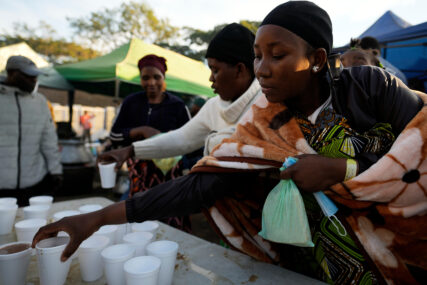
The scale of departures underscores the severity of the crisis. According to an AFP tally based on figures released by repatriating governments, Zimbabwe reported more than 108,000 citizens had returned home by mid-July, Malawi reported more than 46,000 returnees since early June and Mozambique reported nearly 2,000 returnees. Other governments, including those of Ghana, Kenya, Nigeria, Uganda and Lesotho, also assisted citizens who chose to leave South Africa.
South Africa’s economic challenges — including unemployment exceeding 32%, rising crime and deteriorating public services — have fueled frustration. Anti-immigration movements such as March and March and Operation Dudula argue that undocumented migrants compete with South Africans for jobs, strain public services and contribute to crime.
Church leaders and human rights advocates have consistently cautioned against blaming migrants for systemic issues such as corruption, inequality and weak governance, warning that such narratives risk deepening divisions and fueling violence.
Archbishop Sithembele Sipuka, president of the South African Council of Churches, has been among those repeatedly urging restraint since the unrest began. In a pastoral message in early June, the council condemned ongoing violence and intimidation.
“Across our land, a wave of hostility and violence has risen against our brothers and sisters from other countries living among us,” Sipuka said. “What began as growing tension and organized protest has, in some instances, resulted in injury and the tragic loss of life.”
Sipuka emphasized that South Africa’s challenges are rooted in longstanding structural problems rather than the presence of foreign nationals.
“We cannot continue to keep silent as other children of God continue to be discriminated against and dehumanized,” he told RNS, adding that faith leaders would continue to speak out and urge unity across national lines. He said churches were spreading a message of love and compassion so that locals can see foreigners as their brothers and sisters and children of God.
Similarly, the Southern African Catholic Bishops’ Conference has issued multiple statements during the crisis, denouncing attacks on migrants as violations of human dignity and warning political leaders against exploiting public frustration for political gain.
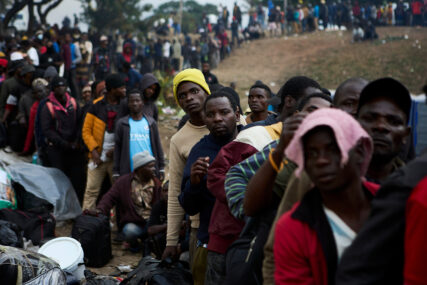
In several communities, church representatives have facilitated dialogue between migrants, local residents and authorities in an effort to defuse tensions and prevent further violence.
Pastor Albert Nswadi of Goma International Pentecostal Church in the Democratic Republic of the Congo said the prolonged nature of the unrest reflects both genuine public frustration and the politicization of migration.
Having previously ministered in South Africa, Nswadi said he witnessed how quickly economic hardship and insecurity can be redirected toward foreign nationals.
“Instead of addressing the root causes of crime and poverty collectively, the narrative shifts, turning neighbors against one another just because of where they were born,” he said.
He noted that the persistence of the violence over several weeks suggests deeper societal fractures that require both policy responses and community healing.
“The government must fix the laws, but the church must heal the people,” Nswadi said, adding that faith leaders must continue working to rebuild trust and counter fear-driven narratives.
Despite these appeals, some anti-immigration groups and residents have criticized church leaders, arguing that they have failed to acknowledge the economic and security concerns many South Africans associate with undocumented migration.
Bongani Sithole, a local resident, said communities have raised issues related to undocumented migration for years without meaningful government action. He argued that criminal networks exploit migrants and contribute to broader insecurity.
“There is a criminal network in South Africa that feeds off illegal immigrants from all over,” he said.
Another resident, Zanele Mthethwa, said many citizens believe undocumented migration is linked to crime and drug trafficking and that authorities have failed to respond effectively.
She also stressed the importance of respecting the law.
“If you’re a Christian and you’re in South Africa illegally, do the right thing,” she said.
Oyakhilome urged citizens to channel their frustrations through lawful means such as peaceful protest and civic engagement, rather than violence.
“Prove yourself to be educated, distinguished, wise and understanding,” he said.
As the unrest continues into its second month, religious leaders say their focus remains on preventing further violence, supporting those affected and reminding communities that justice and compassion must go hand in hand.
“We must choose compassion over fear and unity over division,” Sipuka said.