



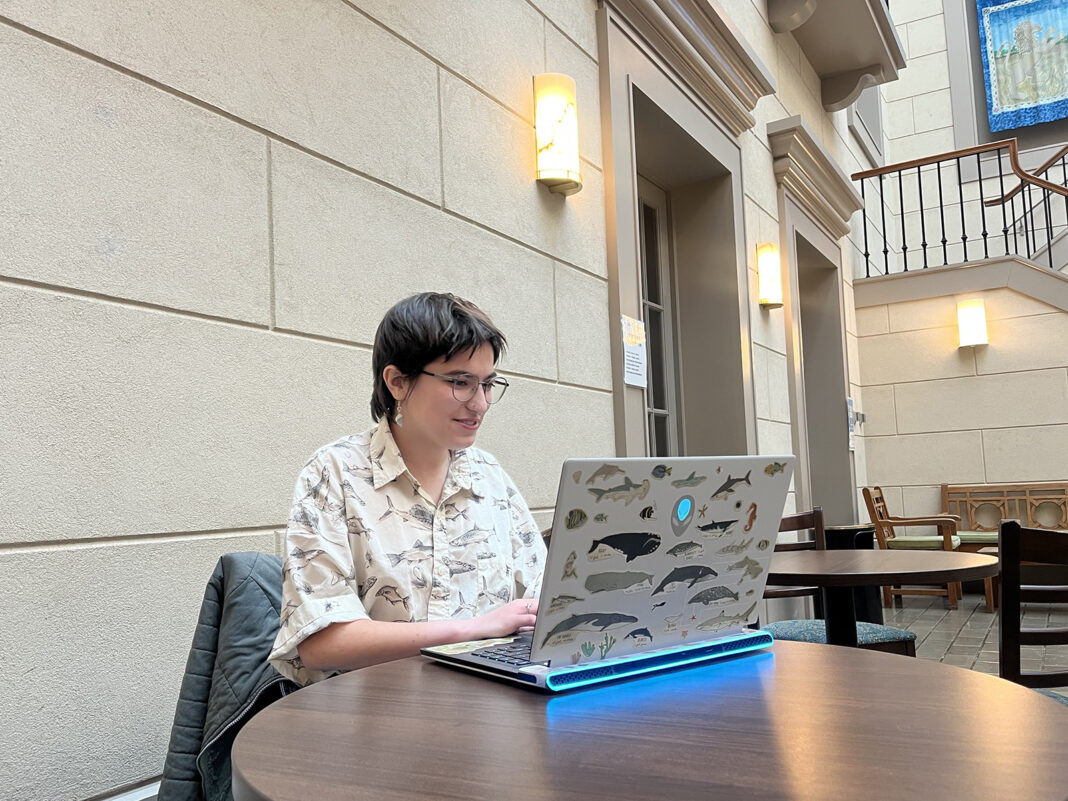
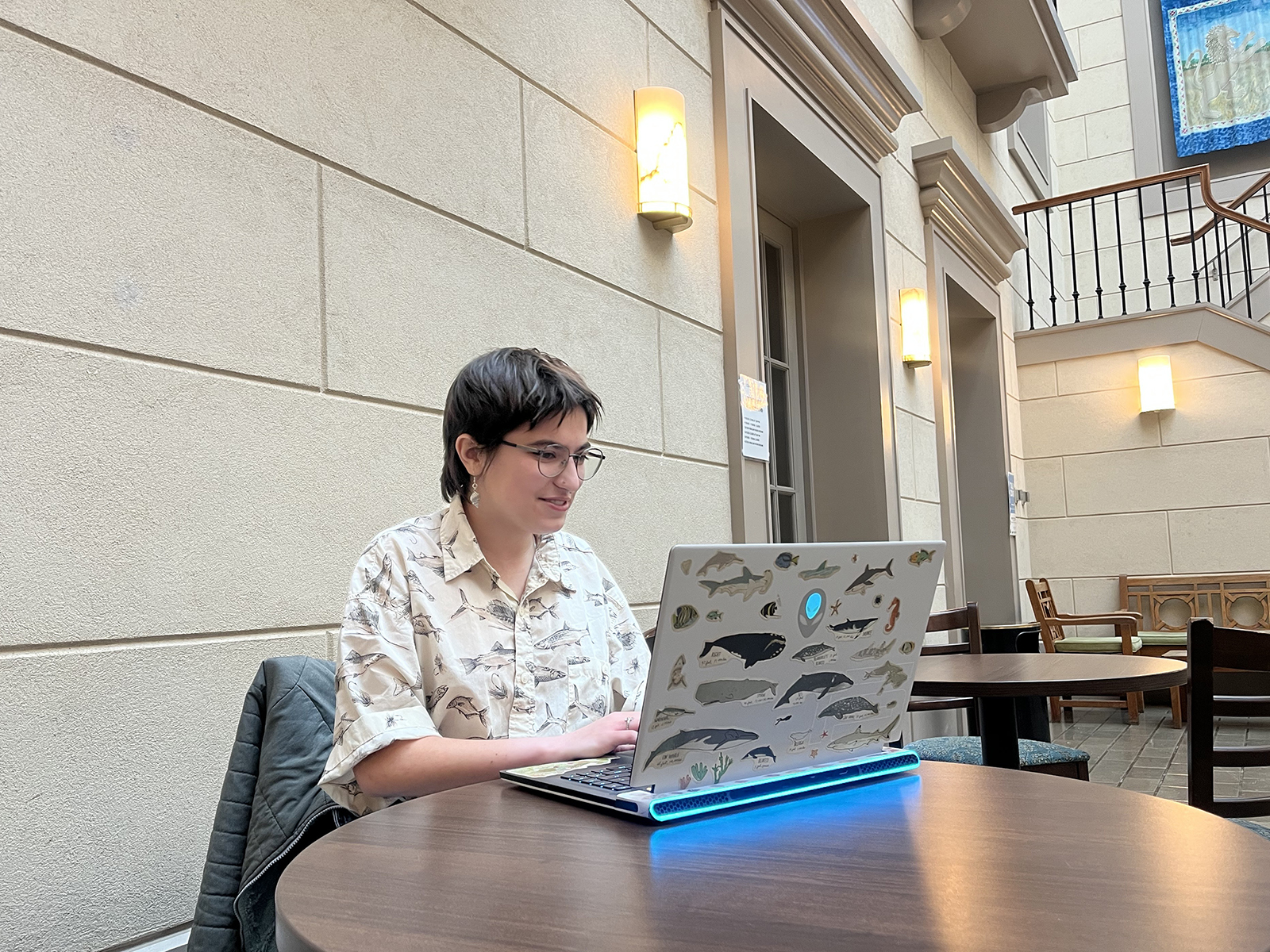
(RNS and NPR) — Lindsey Bloom, a senior at Mount Holyoke College in South Hadley, Massachusetts, grew up going to Hebrew school and attending a synagogue with an Israeli flag hanging near the front of the sanctuary. However, as she has sought to distance herself from Israel’s government in recent years, she said she didn’t know of other ways to engage with Jewish culture — until she learned about Yiddish.
“I’ve definitely talked to quite a few people that just stopped engaging with their Judaism because they didn’t know where to go,” Bloom told RNS and NPR. “That was the case for me. And then I got into Yiddish, and I was, like, oh, this is actually a lot better. I actually align with this a lot more.”
Bloom isn’t alone. The language app Duolingo reported that as of this year, roughly 296,000 people around the world are studying the language with 10th-century European roots. An estimated 60% of them are under 25 years old.
Mindl Cohen, the academic director of the Yiddish Book Center, an Amherst, Massachusetts-based organization that promotes Yiddish culture and literature, said the young people she teaches are engaging with the culture and language in myriad ways. They are performing new plays, making music that’s inspired by Yiddish music of the early 20th century and translating Yiddish literature, she said.
The Yiddish trend seems to be especially prominent for college students like Bloom who seek to hone a Jewish identity and culture removed from support for the state of Israel — a position that can feel isolating, as the Jewish communities they grew up in have long held support for Israel as a core aspect of Jewish identity.
Post Oct. 7, 2023, and the ensuing war in Gaza, major divisions have emerged along political, ethnic and generational lines over support for Israel. And data suggests that even prior to the Oct. 7 Hamas attack, Jewish Americans ages 50 and older, especially those who are religious, are much more emotionally attached to Israel than younger Jewish Americans.
For Sally Kaye, a senior at Barnard College in Manhattan, New York, who is also learning Yiddish, her culture and identity are important to her, but she said she has struggled with both recently.
“It’s hard to be, a lot of the times, in synagogue spaces and kind of traditional religious spaces that have been so focused on supporting Israel no matter what,” Kaye said.
Cohen said engaging with Yiddish culture is one way young Jews can gain insight into questions about their identity and connect to the Jewish diaspora.
“The idea of ‘what did it mean for Jews to exist as diasporic people for centuries’ I think can be really inspiring and just provocative for young Jews today, who maybe don’t like aspects of what they see in the politics of the Jewish state of Israel and are trying to think, well, what are ways to change that? What are the different models? What can we learn from history?” Cohen said.
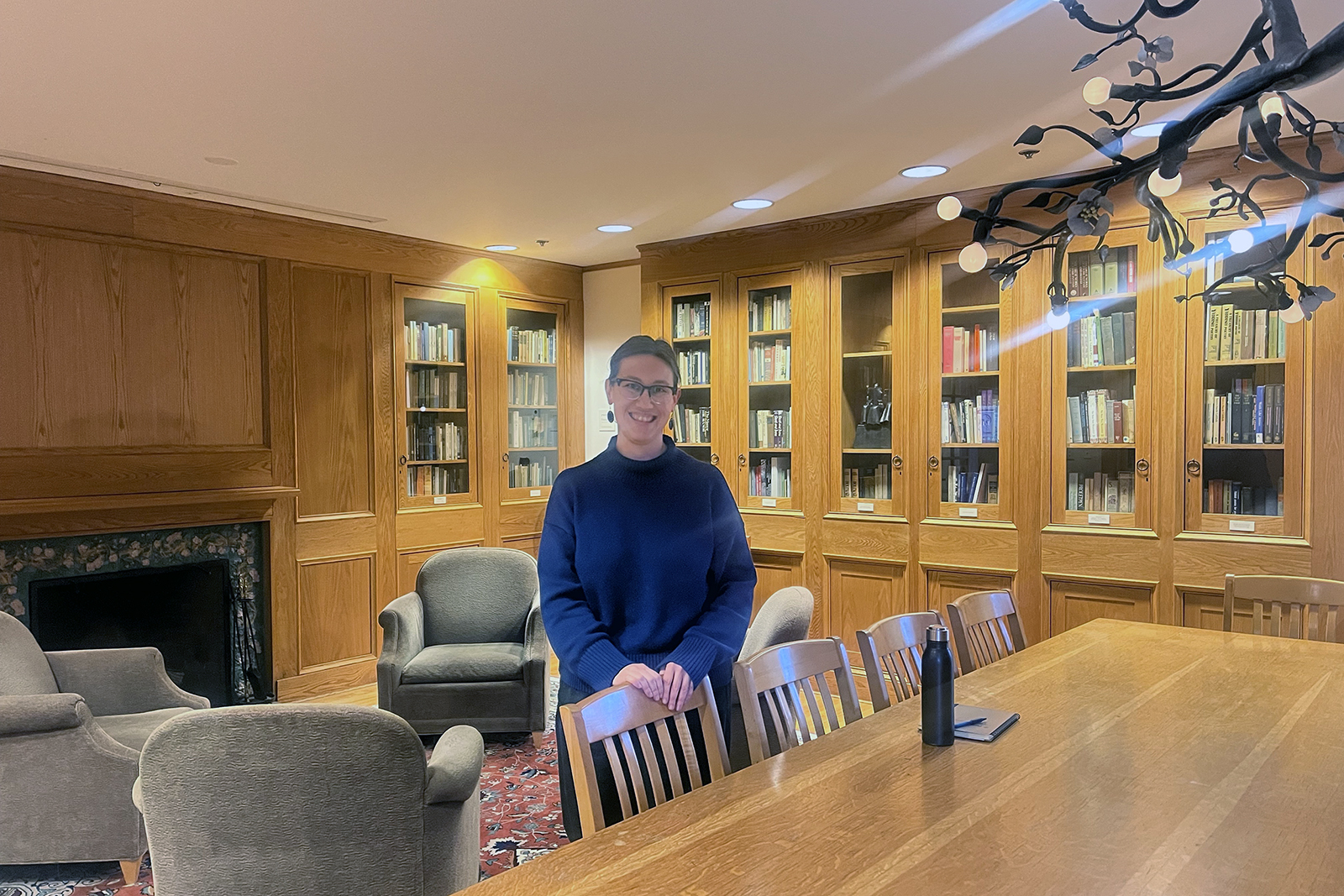
She added that her students are interested in learning about how Yiddish speakers expressed their creativity in the past. The students then recreate these art forms in their own way.
“By taking the time to learn about the past and learn about this culture, we can be inspired to continue things and make new things and make versions that feel relevant today,” Cohen said. “That feels very special to see happen.”
The Workers Circle is a Jewish social justice organization headquartered in New York City that claims to be one of the largest providers of Yiddish language classes in the world. Francesca Rubinson, senior social justice organizer, said her organization is trying to create space for those who want a more expansive view of Jewish culture and history.
“It’s been so meaningful for many young people these days, post Oct. 7, to explore what Yiddish language and culture can mean for them, especially because many of them had Yiddish speakers in their own family just a couple generations ago,” Rubinson said. “And due to assimilation, cultural shifts, the prominence of Zionism and of Israel in many Jewish institutions, there has often been less interest or less institutional support for exploring Yiddish language and culture.”
Rubinson works with young Jewish college students and helps them plan Yiddish cultural events on their campus through Workers Circle’s college ambassador program.
“The events range from playing Yiddish music and talking about its cultural significance to actions with local immigrant justice organizations as part of their kind of ambassador events that they plan,” she said. “They’ve done letter writing campaigns for local tenants’ rights organizations, and they’ve also continued to bring special speakers and Yiddish teachers to campus.”
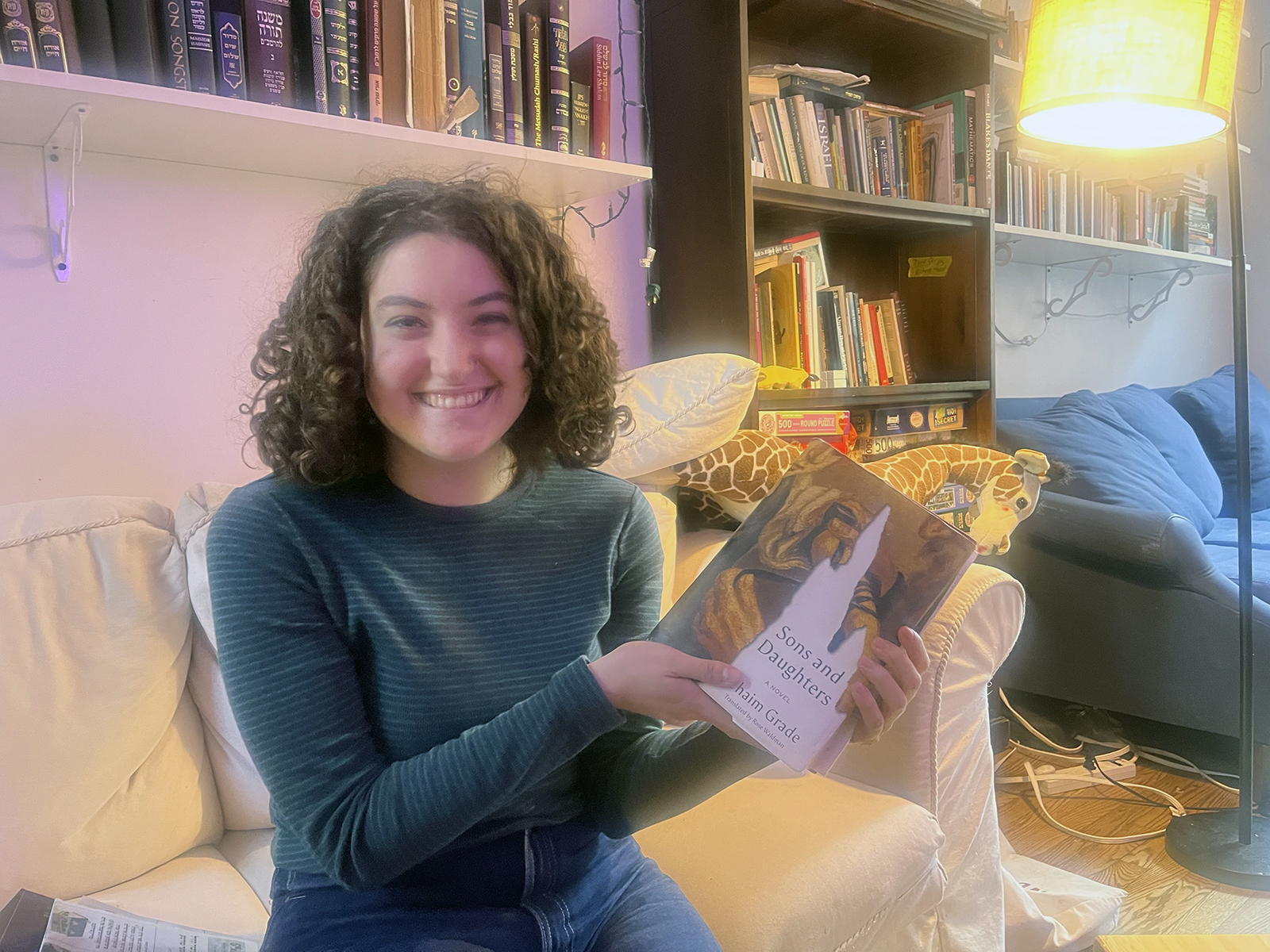
Bloom, the Mount Holyoke senior, is a part of the Worker’s Circle college ambassador program. She’s also in a Yiddish singing duo called Khaverte and recently performed Chappell Roan’s “The Subway” in Yiddish. There’s something about the language, Bloom said, that inspires her creatively.
“Playing with the language and playing with the art and making new things, I really, really like it. I like making new Yiddish things,” Bloom said.
She said not only is she able to express herself in her culture and religion, but now, she’s able to find a community that understands her.
This story was produced through a collaboration between NPR and RNS. Listen to the radio version of the story.